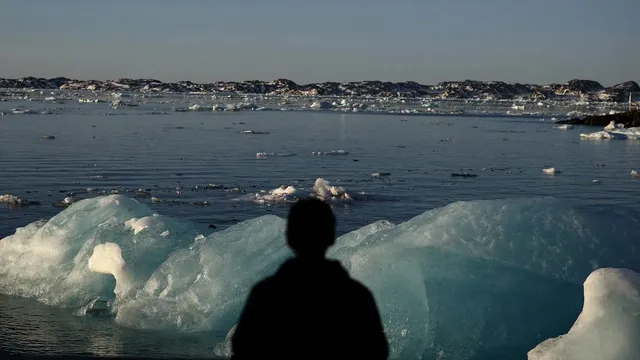
Greenland, an autonomous part of the Kingdom of Denmark, has recorded unprecedented temperature levels in January 2026, with an average of 0.2 degrees Celsius, marking the warmest January documented. This temperature is a significant deviation from the historical average of minus 7.7 degrees Celsius measured from 1991 to 2020. Such extreme warming is part of a worrying trend, with the island warming at a rate estimated to be four times quicker than the global average. This rapid change is causing notable impacts on local ecosystems and economies, primarily fishing, which has traditionally been the backbone of Greenland's economy.
The primary fishery products such as shrimp, halibut, and cod accounted for 23% of the Gross Domestic Product (GDP) in 2023 and are essential sources of employment, providing 15% of the total jobs in Greenland. With warming waters expected to alter fish habitats and potentially affect fish stocks, the future of the fishing industry is being called into question. Climate experts, including Dr. Jacob Hoyer from the Danish Meteorological Institute, caution that changes in temperature and sea ice levels may lead to significant ecological shifts that could reverberate through the fishing economy offering little clarity on what these shifts will entail in the long run.
On another front, the warming climate also bears implications for mining activities on the island. Greenland is viewed as a strategic asset because of its rich mineral deposits, which include 25 out of the 34 minerals classified as critical raw materials by the European Commission. While previous conditions, such as harsh weather and regulatory hurdles, have made the mining industry expensive to navigate, changing climate conditions may present new opportunities for extraction and transportation as costs decline. However, concerns persist over environmental impacts and opposition from indigenous groups, which can complicate resource development initiatives.
In summary, the implications of unprecedented climate change are reverberating through various sectors in Greenland. As local businesses in tourism and fishing face operational challenges due to diminished snowfall and ice cover, the broader implications could reshape both the economy and ecological landscape of the region, heightening the importance of proactive approaches to climate resilience and adaptation.