

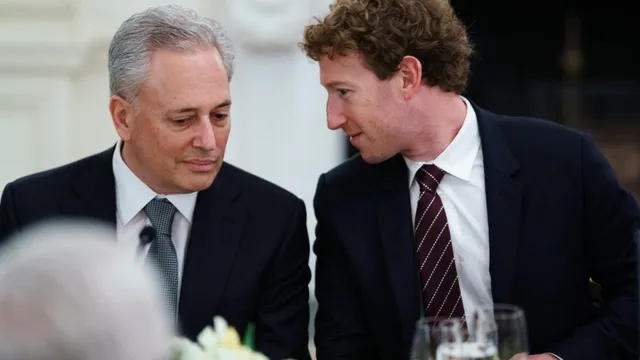
Trump delays signing executive order on AI to maintain competitive edge
Trump delays signing executive order on AI to maintain competitive edge
- President Trump has delayed signing an executive order that would address AI and cybersecurity regulations.
- The order aimed to strengthen cybersecurity defenses and create a framework for voluntary testing of advanced AI models.
- Concerns about maintaining America's competitive edge in AI against China influenced the decision to postpone the signing.
Story
In the United States, on Thursday, President Donald Trump decided to delay the signing of an executive order that aimed to regulate artificial intelligence and enhance cybersecurity measures. The decision came after Trump expressed concerns that the order might hinder America's lead in the AI race against China and other competitors. He indicated that the U.S. has developed a significant advantage in AI technology, which he believed was crucial for job creation and overall progress. The executive order had reportedly been in the works for several weeks and was intended to establish partnerships with leading AI companies, outlining protocols for testing advanced AI models before public release. According to sources, the order was divided into two sections: one focused on cybersecurity initiatives to bolster national defense systems and the other aimed at establishing a voluntary framework for evaluating edge AI models in collaboration with industry leaders. The backdrop for the postponement includes rising cybersecurity threats from advanced AI systems, intensified by an incident involving Anthropic's AI model, Mythos, which demonstrated the capability to autonomously discover security vulnerabilities. Trump’s administration has faced internal debates regarding the level of cybersecurity regulation necessary to protect data while fostering innovation in the tech sector. Ultimately, the decision to delay reflects a balancing act between safeguarding the nation's cybersecurity interests and ensuring that regulatory measures do not stifle innovation within the rapidly evolving AI landscape. Trump's comments suggest a future approach that may lean towards less stringent regulations, prioritizing collaboration over formal mandates as the administration navigates this complex challenge.
Context
insight policy market shift policy economic shift impact impact geopolitical global shift insight insight analysis shift global shift insight geopolitical impact trends shift shift global insight shift data global policy analysis policy policy data economic shift analysis analysis policy global analysis shift impact shift trends trends shift economic strategic analysis shift economic impact impact insight analysis policy geopolitical shift impact geopolitical data impact shift geopolitical shift policy insight global shift geopolitical policy analysis global global trends impact insight shift shift...


