

Florida labels Muslim Brotherhood and CAIR as terrorists
Florida labels Muslim Brotherhood and CAIR as terrorists
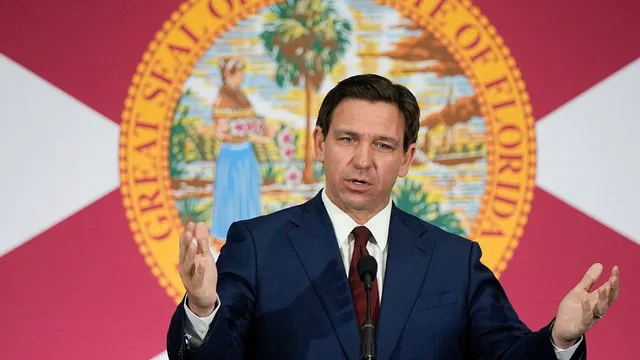
- Florida's Governor Ron DeSantis has officially designated the Muslim Brotherhood and CAIR as foreign terrorist organizations.
- This action mirrors similar moves made by Texas and follows a legacy of discussions surrounding the classification of such groups.
- Critics warn that such designations could enhance repression rather than addressing actual security threats.
Story
In early December 2025, Florida's Governor Ron DeSantis announced the designation of the Muslim Brotherhood and the Council on American-Islamic Relations (CAIR) as foreign terrorist organizations. This decision followed a similar action taken by Texas Governor Greg Abbott, who had previously declared the same groups as foreign terrorist and transnational criminal organizations. The move has drawn significant attention as it may represent a broader strategy to target perceived threats linked to Islamic organizations within the United States, echoing previous actions and sentiments surrounding this controversial classification that dates back to at least the Trump administration's efforts. The designation of the Muslim Brotherhood remains contentious and complex. While some factions have been implicated in violence, critics argue that labeling these groups as terrorist organizations exacerbates repression across the Middle East and within the United States. There is a historical contextwhere the U.S. has hesitated to make such designations, stemming from a complex legacy involving various branches of the Muslim Brotherhood, whose influence varies from region to region. This hesitance has persisted despite efforts following the events of 9/11 and has been politicized in subsequent administrations. The Muslim Brotherhood's evolution from a political entity to many labeled factions complicates the narrative. This has led to discussions about how political power dynamics, especially after events like the Arab Spring and the overthrow of the Muslim Brotherhood in Egypt by military coups, have affected the group's perception and operational scope in both the Middle East and the U.S. Furthermore, the regional isolation of the Brotherhood, notably from countries like Qatar and Turkey, significantly shifts its capacity and threat level, contributing to arguments against such designations. The ramifications of this designation in Florida could have lasting effects on civil society and political discourse regarding Muslim organizations. Critics include scholars and community leaders who warn that the designation serves as a tool for repression rather than addressing genuine security concerns. The dialogue surrounding this classification intertwines with broader societal issues, reflecting deep divisions in how various communities engage with Islamic organizations and the implications of framing them through a lens of terrorism. Thus, this development is a significant moment within the larger debate about religious identity, state power, and national security.


