

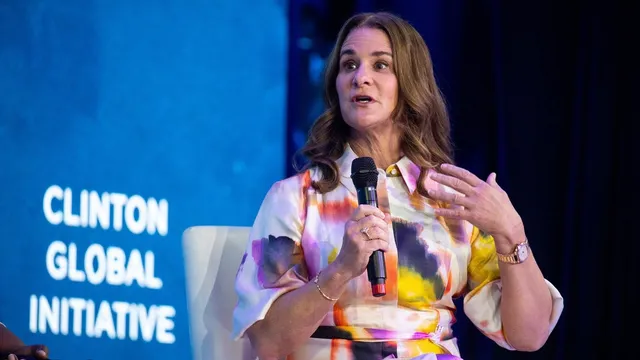
Melinda Gates warns corporate rollbacks of DEI programs hurt families
Melinda Gates warns corporate rollbacks of DEI programs hurt families
- Major corporations are ending their diversity, equity, and inclusion programs.
- Melinda Gates expressed concern about the negative impact on families and workforce opportunities.
- She advocates for increased representation in both corporate and political spheres.
Story
In the context of the ongoing transformation within corporate America regarding diversity, equity, and inclusion (DEI) initiatives, Melinda Gates has voiced her concerns about the consequences these rollbacks could impose on families and worker opportunities. Gates, known for her philanthropic commitments, articulated that the reduction in these vital programs can negatively influence education accessibility and job opportunities. Her remarks came during an interview for WIRED's 'The Big Interview,' where she addressed the implications of corporate trends following the re-election of Donald Trump, who promoted a crackdown on diversity measures. She noted that companies which previously made strides in enhancing workforce representation have started to reverse these efforts, highlighting examples such as AT&T, Amazon, and McDonald's. Gates expressed disappointment that the progress achieved in diversity representation was at risk, emphasizing that a workforce representative of various backgrounds leads to better product discussions and innovation. She pointed out the disparity between visible diversity in societal environments and the lack of similar representation within political institutions. To illustrate her point, she mentioned urban areas like Seattle and Dallas where diversity is apparent, yet this demographic variety is not reflected in governance structures. Moreover, she conceded that some DEI initiatives could have been excessive, acknowledging the validity of criticisms aimed at particular aspects of those programs. Comprehensively, Gates suggested that the motivations for corporations abandoning DEI policies are often rooted in business interests, implying that some leaders may not have genuinely supported those initiatives originally. The rollback of programs has been systematic, with companies ceasing DEI-related practices amid evolving legal and political climates. AT&T, as one of the primary examples, recently declared its commitment to ending such policies, stating a refocus on merit-based hiring and promotions. This decision follows similar moves from other companies under the influence of a broader national trend toward minimizing or eliminating equity-related programs. With evident shifts across corporate landscapes, the implications for worker opportunities and societal equity remain at the forefront of discourse, with Gates emphasizing the need for better representation across various societal platforms.


