

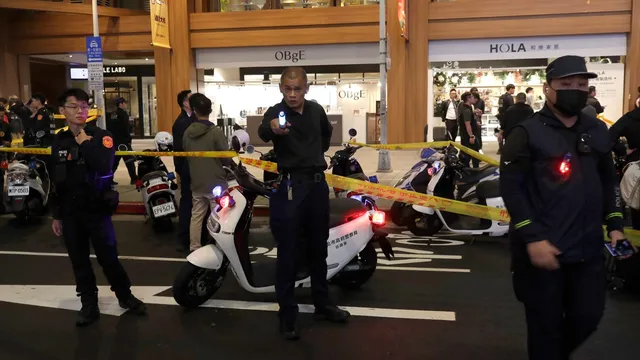
Knife-wielding attacker kills three in Taipei subway chaos
Knife-wielding attacker kills three in Taipei subway chaos
- A knife-wielding man attacked bystanders in Taipei's subway, killing three and injuring several others.
- Witnesses reported considerable chaos as the attacker used smoke bombs to create confusion.
- Authorities ruled out terrorism, emphasizing the need for heightened police presence and improved emergency protocols.
Story
In Taiwan, on December 19, 2025, a violent incident unfolded in central Taipei when a 27-year-old man, surnamed Chang, went on a stabbing spree, which resulted in three deaths and over a dozen injuries. Chang initially set off smoke bombs at the Taipei Main Station, creating chaos during the busy post-work hours, and subsequently moved to Zhongshan Station, where he continued his assault on innocent bystanders. The rampage lasted around three hours before Chang fell to his death from a building while fleeing law enforcement. As details emerged, authorities revealed Chang had a history of criminal activity and had been wanted for failing to report for military training. He reportedly displayed no ideological motives, leading police to rule out terrorism, stating his actions appeared to be driven by a desire to cause random harm. Premier Cho Jung-tai confirmed that investigations would explore Chang's background and connections to ascertain deeper motives for the attack. One of the deceased victims was identified as Yu, a 57-year-old man who bravely attempted to intervene during the attack. Yu suffered fatal injuries including a deep wound that penetrated his heart while trying to stop Chang. This selfless act has been recognized by local officials, and Yu's family is set to receive substantial insurance compensation. In the aftermath, the Taiwanese government has committed to increasing police presence in crowded areas and enhancing emergency response training to ensure public safety. Concerns regarding health risks arose when it was reported that one of the victims was HIV-positive, prompting public health officials to urge those affected to get tested for potential exposure to the virus. This situation added another layer of complexity to an already tragic incident, as healthcare officials initiated programs aimed at evaluating and assisting those who may have been impacted. The tragic events on that day have spurred discussions about violence and public safety, highlighting Taiwan's typically low crime rate and the unexpected emergence of such violent behavior in a society generally considered safe.
Context
In December 2025, a knife attack in Taiwan has raised significant concerns about the immediate and long-term health risks associated with such violent incidents. The aftermath of the attack reveals a complex interplay of physical and psychological health issues that can arise for both victims and witnesses. The medical response in the hours following the incident is crucial; timely intervention can significantly improve survival rates and outcomes for victims who suffer from penetrating trauma. Common injuries in knife attacks include lacerations, puncture wounds, and damage to internal organs, necessitating rapid assessment and surgical intervention to address hemorrhage and prevent infection. The role of first responders and trauma care facilities is vital in mitigating these health risks, ensuring that emergency procedures are followed efficiently and effectively. Beyond immediate physical harm, the psychological impact of such violent events cannot be understated. Victims may experience post-traumatic stress disorder (PTSD), anxiety, and depression, which can persist long after the physical wounds have healed. Witnesses, including bystanders and medical personnel, may also encounter psychological distress, leading to a broader community impact. Mental health services become essential in the aftermath of the attack, as they provide necessary support to help individuals process the trauma and reduce the likelihood of long-term mental health issues. Community-based interventions, including counseling and support groups, are vital in facilitating recovery and rebuilding resilience among affected individuals. Additionally, there are public health implications following a knife attack that extend into legislative and community action. Policymakers often reassess security measures and consider firearm and knife control laws following incidents of violence. A focus on preventive strategies is integral to reducing future knife attacks, highlighting the importance of community education and engagement in preventing violence. Programs that address the root causes of violence, including socioeconomic factors, mental health services, and conflict resolution education, can play a significant role in reducing the incidence of such attacks and their consequent health impacts. In conclusion, the health risks associated with the knife attack in Taiwan highlight the multifaceted nature of trauma and the essential roles played by immediate medical response, psychological support, and community engagement in recovery. Understanding these aspects allows for a comprehensive approach to managing health risks after such incidents, enhancing the resilience of both individuals and communities in the face of violence. Future research and policy initiatives should continue to focus on preventive measures, ensuring that the health and well-being of all community members are prioritized in the wake of violent acts.


