

U.S. plans to reopen embassy in Venezuela after Maduro's ouster
U.S. plans to reopen embassy in Venezuela after Maduro's ouster
- The Trump administration notified Congress about the potential reopening of the U.S. Embassy in Venezuela after its closure in March 2019.
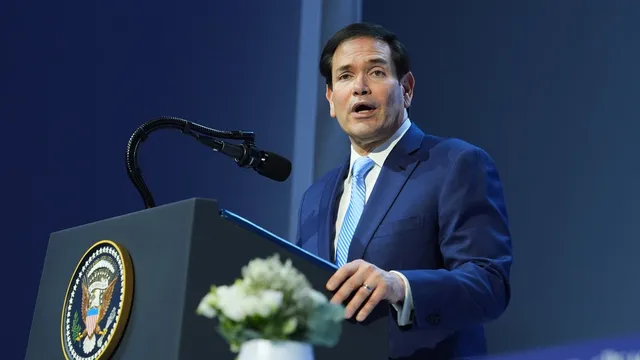
- Secretary of State Marco Rubio mentioned that a team is assessing the situation in Caracas and stated the embassy would reopen 'very quickly.'
- This could signify a shift in U.S. recognition of a governing authority in Venezuela, indicating a move towards restoring diplomatic relations.
Story
In a significant shift regarding U.S.-Venezuela relations, the Trump administration has begun notifying Congress about the potential reopening of the shuttered U.S. Embassy in Venezuela. The embassy, which has been closed since March 2019, serves as a focal point for U.S. diplomatic efforts. According to the State Department, a team of temporary staffers is being sent to Venezuela to conduct select diplomatic functions. These staffers will operate from a temporary facility while the main embassy compound is brought up to standard for diplomatic missions. This move signals a possible restoration of formal diplomatic relations between the U.S. and Venezuela’s interim leadership. Secretary of State Marco Rubio has stated that the embassy will reopen
Context
As of January 2026, the current status of U.S. relations with Venezuela remains complex and fraught with challenges. For over two decades, Venezuelan politics have been dominated by the conflict between the government, led by the United Socialist Party, and numerous opposition groups. The U.S. has traditionally supported the Venezuelan opposition, particularly since Nicolás Maduro's contested presidency began in 2013. Sanctions have been a significant tool for U.S. foreign policy, aimed at pressure tactics against Maduro’s administration. Overall, diplomatic relations reached a nadir under the Trump administration, which took a hardline approach against Venezuela, labeling it a security threat and increasing economic sanctions with the hopes of promoting regime change. Since then, there have been some critiques and calls for a recommitment to a more diplomatic strategy towards the nation under the Biden administration, suggesting a need for dialogue and some forms of engagement rather than solely punitive measures. Consequently, the Biden administration's approach has included strategic discussions concerning the humanitarian crisis affecting millions of Venezuelans, which has led to influxes of migrants across Latin America and further complicating regional stability. The U.S. government has acknowledged the dire economic situation in Venezuela and provided limited humanitarian assistance, signaling a potential shift towards addressing human rights concerns more robustly while still holding the regime accountable for its actions. A balanced and multifaceted approach could foster better conditions for internal dialogue within Venezuela and a possible avenue for alleviation of the country's ongoing crises. Moreover, diplomatic overtures have been made in light of regional dynamics, particularly with countries such as Colombia and Brazil, influencing U.S. strategies in connection to Venezuela. The geopolitical context surrounding U.S.-Venezuela relations has evolved, particularly considering the interactions with other global powers like Russia and China, both of which have maintained supportive ties with the Maduro regime. Russia's military and economic assistance, along with China's investments in Venezuelan oil and infrastructure, have presented significant obstacles to U.S. interests in the region. The increasing influence of these nations calls into question the viability of the U.S. strategy in isolation from broader international dialogues. While the U.S. continues to view Venezuela as a critical issue due to its implications for regional security, energy prices, and humanitarian concerns, a simplistic labeling of the regime as merely a pariah may neglect the complexity of the situation. In conclusion, the U.S. must navigate a careful path in its dealings with Venezuela going forward. Encouraging a dialogue that centers on humanitarian assistance, while still addressing the issues of governance and human rights, represents a crucial balancing act. The ongoing political dynamics within Venezuela and the country's international relationships will undoubtedly continue to shape U.S. policies. As the current administration reevaluates strategies amidst pressures to reconcile foreign policy objectives with the need for transformation within Venezuela, the focus will likely remain directed towards fostering an inclusive dialogue that can bring about sustainable change while also coordinating with regional partners and allies.


