

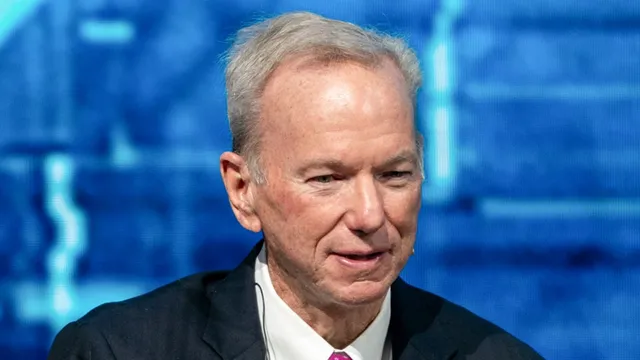
Eric Schmidt faces backlash over AI speech at graduation
Eric Schmidt faces backlash over AI speech at graduation
- Eric Schmidt discussed the concerns of students regarding artificial intelligence's impact on future careers during his speech.
- Many students expressed their fears about job security amidst growing automation.
- Schmidt urged the graduates to actively engage in shaping the future of AI despite receiving boos from the audience.
Story
In the United States, former Google CEO Eric Schmidt faced a hostile reception during a commencement speech on May 14, 2026, at the University of Arizona. While addressing the graduating class, Schmidt attempted to draw parallels between the transformative potential of artificial intelligence and the earlier rise of computers, but his remarks were met with repeated boos from the audience. Students expressed their anxiety about the implications of AI on job security and their futures, a sentiment that has been increasingly prevalent among younger generations. Despite acknowledging the students' fears as rational, Schmidt urged them to adapt to the evolving technology, arguing that they have the power to shape the future of AI. He encouraged graduates to engage in open debate and appreciate diverse perspectives, even amidst disapproval from parts of the audience. Schmidt's remarks echoed concerns seen across various campuses, where speakers addressing AI often face significant backlash due to students' anxieties surrounding the technology's impact on employment. The discomfort with AI is not isolated to Schmidt’s speech; similar backlash has been noted recently at other graduation ceremonies. Participants at events across the country are evidently increasingly apprehensive about the rapid advancement of AI and its potential threats to their careers. Research indicates that many students are reconsidering their chosen fields of study, shifting towards areas focused on communication and critical thinking, away from technical or analytical roles expected to be replaced by automation. This growing concern is compounded by findings from various research polls showing that a majority of American adults express more worry than enthusiasm about AI's integration into daily life. The wider implications of this backlash against figures like Schmidt signal a broader societal unease about the balance between technology's benefits and its risks, particularly as this generation prepares to enter a workforce that is likely to be transformed by AI advancements. The speech ultimately served as a flashpoint in the ongoing dialogue about the role of technology in the future of work and society.
Context
geopolitical trends shift geopolitical strategic strategic geopolitical shift economic impact policy shift geopolitical economic policy shift data insight strategic insight economic policy strategic geopolitical trends geopolitical economic market impact impact policy trends trends global market global policy economic policy strategic trends geopolitical geopolitical shift shift trends economic insight economic policy economic shift strategic strategic policy data trends global strategic trends policy market data shift data policy global geopolitical economic global policy strategic policy data analysis geopolitical impact shift insight market...


