

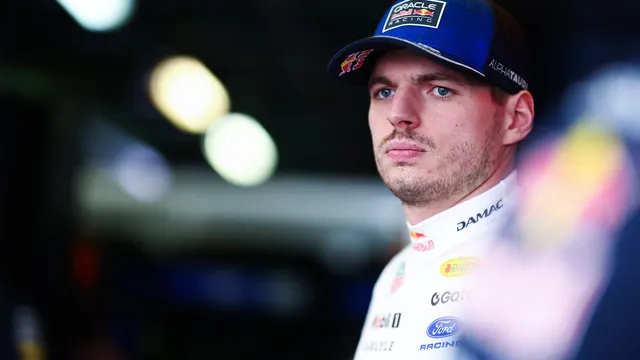
Max Verstappen crashes out of Australian GP qualifying
Max Verstappen crashes out of Australian GP qualifying
- Max Verstappen crashed during his first lap in Q1, causing him to start from the back of the grid.
- George Russell claimed pole position with Mercedes demonstrating impressive speed.
- The chaotic start and crashes raised concerns over the safety and reliability of the new Formula 1 cars.
Story
In Australia, on March 6, 2026, the first qualifying round for the Formula 1 season took an unexpected turn when Max Verstappen crashed his Red Bull car. This occurred at the start of his first flying lap in Q1, leading to a significant rear-axle failure that resulted in a loss of control. Verstappen impacted the barriers at turn one, marking a disappointing start for the reigning champion as he was relegated to the last position on the grid, starting P20 for the race. His crash also had a ripple effect on other drivers, particularly benefiting Kimi Antonelli, who had experienced his own crash during practice but managed to qualify second. The qualifying results showcased a strong performance by Mercedes, with George Russell taking pole position and Kimi Antonelli alongside him. Russell's impressive lap demonstrated not only his skill but also the potential of Mercedes' new car in the ongoing season. Meanwhile, Red Bull's Isack Hadjar managed to qualify third but was notably slower than Russell, emphasizing the competitive edge Mercedes exhibited during this session. Amidst the spectacular performances, the collaborating efforts of teams and drivers culminated in a tense atmosphere as they prepared for the race. Verstappen's crash raised concerns regarding the reliability of the new F1 cars, echoed by his sentiments post-incident. He described the crash as 'weird' given the unforeseen nature of the rear-axle failure. In the aftermath, he had to undergo X-rays to assess potential injuries incurred during the crash. Additionally, both he and Lando Norris took to the media to criticize the new car designs, suggesting that improvements were needed to enhance safety and performance in the sport. This chaotic start to the season served as a stark reminder of the inherent risks faced by drivers, particularly when facing a new era of car design and racing regulations. As competitors rallied for a competitive edge in the race ahead, the Australian GP became a focal point showcasing both technological advancements and the unpredictable nature of motorsport. The controversies surrounding car performance and safety will undoubtedly linger as the season progresses, prompting discussions among fans and stakeholders about the future of the sport.
Context
The impact of new F1 car designs for the 2026 season marks a pivotal moment in the evolution of motorsport, as teams and manufacturers adapt to revised regulations aimed at improving performance, safety, and sustainability. The 2026 regulations introduce significant changes, including the implementation of hybrid power units with a stronger focus on electric components, reflecting the automotive industry’s shift towards more environmentally friendly technologies. The new power units are expected to produce greater efficiency, allowing cars to not only achieve increased horsepower but also to reduce carbon emissions, creating a more sustainable racing model. This enhanced focus on environmental responsibility is likely to attract new partners and sponsors, further increasing the financial viability of the sport. Additionally, the aerodynamic changes mandated for the 2026 season are designed to improve overtaking opportunities, contributing to better racing spectacle for fans. These modifications will include revised wing designs and adjusted car dimensions to enhance the overall lap time and performance while maintaining close racing. Teams will need to innovate and adapt their engineering approaches, which may yield stunningly different car designs. By fostering closer racing, the sport seeks to enhance viewer engagement, which is crucial for maintaining and growing its fan base amidst increasingly competitive entertainment options. Safety enhancements are another cornerstone of the 2026 regulations, reflecting the sport's commitment to protecting drivers. Innovations in cockpit design, such as improved crash structures and better driver safety harness systems, are intended to mitigate risks associated with high-speed racing. As teams develop their vehicles under these new guidelines, the interplay between speed and safety will shape the narrative of the season. Fans and stakeholders alike will undoubtedly be keenly observing how these modifications influence driver performance and overall race outcomes. Furthermore, the technological advancements and engine specifications presented in the 2026 season are likely to foster collaboration and competition among car manufacturers. While traditional powerhouses will pursue their individual strategies, there may also be opportunities for smaller teams to harness the new technologies effectively, leveling the playing field in some instances. This dynamic could lead to a reshaping of team hierarchies, as up-and-coming engineers find innovative solutions that allow them to compete more closely with established teams. The changes set for the 2026 season are not just about the cars themselves, but about reimagining the sport for both drivers and fans to ensure Formula 1 remains at the forefront of global motorsport.


