
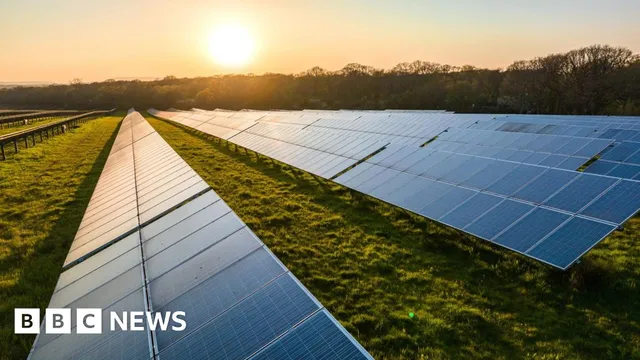
Romney Marsh solar farm plan sparks local outrage and approval recommendation
- A 100-acre solar farm project in Romney Marsh is recommended for approval despite local opposition.
- Residents express fears about environmental impact and agricultural land loss.
- Local authorities weigh the benefits of renewable energy against community concerns.
Story
In the United Kingdom, a controversial solar farm plan in Romney Marsh is on the verge of approval by local authorities. The proposal involves constructing a solar facility on a 100-acre site currently used for agriculture. Environmena, the energy firm behind the project, asserts that the 16-megawatt facility has the capacity to provide clean energy to over 10,000 homes annually, aiming to bolster the rural economy and enhance local ecosystems through managed land use. However, the planning committee's decision comes amid vocal opposition from local residents who fear that the project will harm the landscape of Romney Marsh and compromise the quality of agricultural land. More than 80 residents have expressed their concerns to the Folkestone and Hythe District Council (FHDC), highlighting the environmental implications and potential loss of wildlife habitats. Comments from individuals such as Pamela Batt underscore the sentiment among locals that converting agricultural land into solar energy facilities could set a troubling precedent for future development initiatives. Critics argue that utilizing good agricultural land for construction purposes does not align with the long-term interests of food security and farming in the area. Despite the opposition, FHDC planning officers have acknowledged that the land earmarked for the solar farm is not classified as the best and most versatile agricultural land. They have weighed this against the substantial benefits of renewable energy generation in the context of the UK's net-zero targets. The facility, if approved, is said to not only contribute to clean energy efforts but also ensure that the land remains viable for grazing purposes, with a commitment to restoring the area after a projected 40-year operational period. Environmena's chief development officer, Mark Harding, emphasizes the project's role in supporting biodiversity and improving local ecological conditions through initiatives such as the introduction of native planting and wildflower meadows. The situation illustrates the growing tension between renewable energy development and agricultural preservation, as communities grapple with the implications of transitioning to a more sustainable energy landscape. As the planning committee weighs the evidence and local sentiment, the fate of the Romney Marsh solar farm project hangs in the balance, reflecting wider discussions about land use, rural community values, and environmental responsibilities in contemporary energy policies.
