

RFK Jr. demands Dunkin' and Starbucks prove safety of sugary drinks
RFK Jr. demands Dunkin' and Starbucks prove safety of sugary drinks
- Robert F. Kennedy Jr. called for sugar safety data from Dunkin' and Starbucks.
- Kennedy's initiative is part of a larger health campaign promoting less processed foods.
- Public backlash highlights the challenges of altering beloved food and drink options.
Story
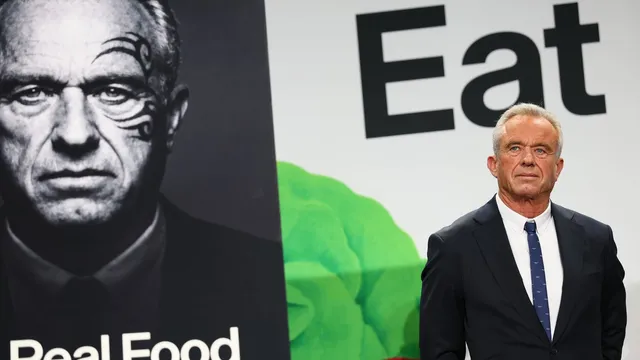
In the United States, Health and Human Services Secretary Robert F. Kennedy Jr. made headlines during a food-focused event in Austin, Texas, where he announced an initiative targeting sugary drinks from popular chains Dunkin' Donuts and Starbucks. During this rally, held several days ago, Kennedy urged these companies to present comprehensive safety data justifying the consumption of highly sugary iced coffee drinks, specifically mentioning those with excessive sugar content, such as 115 grams in some cases. This statement sparked a considerable media reaction and extensive social media discourse regarding the calories and sugar content in these widely consumed beverages. Kennedy's comments were a part of his broader agenda, which seeks to redefine dietary guidelines in America under his campaign, 'Make America Healthy Again.' His focus centers on pushing food companies to face stricter scrutiny regarding the health impact of their products. In particular, he has taken an aggressive stance against ultra-processed foods, describing them as harmful to American health. The Health Secretary's push for accountability has arisen amidst rising concerns over America's diet-related health crises, with alarming statistics indicating that over 70 percent of U.S. adults are overweight or obese, and nearly one in three adolescents are facing prediabetes. The backlash to Kennedy's comments has been widespread, with social media users—especially Dunkin' and Starbucks aficionados—reacting with jokes and memes, asserting a sense of local pride and attachment to these beverage chains. Notably, Massachusetts Governor Maura Healey also chimed in, sharing a humorous post on the issue that demonstrated the strong emotional connection constituents have with Dunkin' Donuts, particularly considering the chain's deep roots in the region. This public relations challenge suggests that Kennedy's proposed initiatives may face resistance from passionate consumers who cherish their favorite drink. Kennedy's call for transparency regarding ingredient safety coincides with a potential overhaul of the food ingredient approval system known as Generally Recognized As Safe (GRAS), which has increasingly included numerous additives and preservatives common in processed foods. By promoting comprehensive reviews of food safety, Kennedy aims to empower consumers and drive food producers towards healthier alternatives. However, the significant pushback he has encountered may indicate the complexity of changing food policies in a landscape dominated by consumer attachment to well-known brands and their sugary beverages, suggesting that while health advocacy is necessary, significant public relations efforts will be needed to navigate these changes effectively.
Context
The Department of Health and Human Services (HHS) has a critical role in ensuring food safety regulations to protect public health. Over recent years, the HHS has undertaken various actions to enhance food safety standards and ensure that food products are safe for consumption. These actions are primarily executed through its subsidiary agencies, such as the Food and Drug Administration (FDA) and the Centers for Disease Control and Prevention (CDC). With the increasing complexity of food systems, the HHS has recognized the necessity for updated regulations that address contemporary challenges, including foodborne illnesses, contamination, and the importation of food products from global sources. One of the significant initiatives by the HHS includes the implementation of the Food Safety Modernization Act (FSMA), which shifts the focus from responding to food safety problems to preventing them. This landmark legislation has allowed the FDA to establish more comprehensive safety regulations and inspections, thereby increasing accountability for food producers and suppliers. Additionally, the HHS has enhanced its regulatory framework to require stricter labeling standards for food products, ensuring that consumers have access to clear and accurate information about the foods they consume. These regulations are essential for reducing the risk of foodborne illness and ensuring overall public health safety. The HHS has also engaged in collaborative efforts with various stakeholders, including state and local health departments, industry players, and public advocacy groups. By fostering partnerships, the HHS aims to implement consistent food safety practices across all levels of the food supply chain. This collaborative approach has been beneficial in sharing vital information, resources, and best practices, which collectively enhance food safety recognition and compliance. Moreover, education and outreach initiatives have been pivotal in empowering consumers to make informed choices about their food consumption and understanding the importance of food safety practices at home. As food safety continues to evolve amid technological advancements and changing consumer behaviors, it is imperative for HHS to remain vigilant and adaptive in its regulatory approach. Future actions may include further integration of technology into food tracking and monitoring systems, as well as continued emphasis on global partnerships to harmonize food safety regulations. Through these ongoing efforts, the HHS is committed to safeguarding the nation's food supply, ultimately ensuring the health and safety of the American public.


