
science
informative
controversial

David Attenborough meets gorillas and sparks conservation efforts

Apr 27, 2026, 6:05 PM10
(Update: Apr 27, 2026, 6:05 PM)
British broadcaster and naturalist (born 1926)

David Attenborough meets gorillas and sparks conservation efforts

  • In 1979, David Attenborough filmed the mountain gorillas in Rwanda with the assistance of Dian Fossey.
  • The interactions captured changed perceptions about gorillas and human-nature connections.
  • The documentary sparked ongoing conservation efforts, leading to increased gorilla populations.
Share opinion
Tip: Add insight, not just a reaction
1

Story

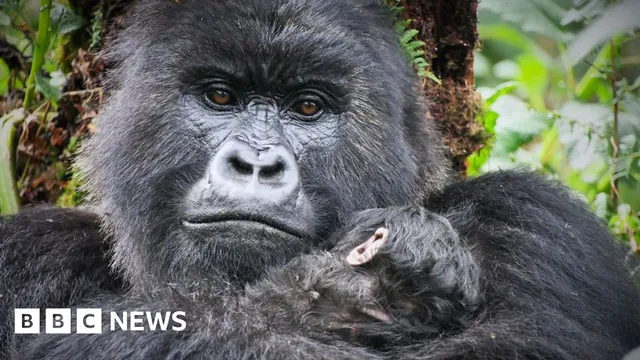
In 1979, David Attenborough and his film crew embarked on a challenging journey to capture footage of mountain gorillas in Rwanda. This endeavor was significantly influenced by the renowned primatologist Dian Fossey, who provided the team with crucial knowledge about how to approach and film these elusive creatures. The crew faced a remarkable encounter with the gorillas, particularly with a playful young silverback named Pablo, who later became the leader of his family group. These unexpected interactions shed light on the deep connection humans share with nature and the gorillas' shared perception of the world. The documentary footage contributed significantly to the awareness surrounding gorilla conservation, marking a critical moment in the fight to ensure their survival. Over the years, conservation efforts have led to a gradual increase in the mountain gorilla population, which now totals around 600 individuals. The legacy of Attenborough's work endures through documentaries like 'A Gorilla Story: Told by David Attenborough,' which revisits these important events and highlights the ongoing story of the gorilla family descended from Pablo.

Context

The history of mountain gorillas in Rwanda is a tale of conservation, resilience, and dedication to preserving a unique species. Mountain gorillas (Gorilla beringei beringei), found in the Virunga Mountains and Bwindi Impenetrable National Park, represent both a critical ecological resource and a significant draw for ecotourism. In the early 20th century, these majestic primates faced severe threats from habitat destruction and poaching, largely due to human encroachment and warfare in the region. Early conservation efforts began in the 1960s when researchers, notably Dr. Dian Fossey, undertook long-term studies of the gorillas, advocating for their protection and highlighting the complex social structures of these animals. Fossey's work brought global attention to the plight of mountain gorillas, laying the groundwork for future conservation initiatives in Rwanda and beyond. The 1990s were particularly tumultuous for Rwanda, marked by civil unrest and the 1994 genocide, which significantly impacted both human and wildlife populations. During this period, the Rwandan government and various conservation organizations faced severe challenges in maintaining protections for mountain gorillas. Many of their habitats were threatened, and the gorillas themselves were at risk due to increased poaching. However, after the genocide, the Rwandan government prioritized conservation as part of national rebuilding efforts. The establishment of national parks, including Volcanoes National Park, became central to conserving the mountain gorilla population, facilitating both habitat protection and the development of regulated ecotourism. In the years following the recovery from the genocide, noteworthy strides were made in mountain gorilla conservation. The establishment of community-based conservation programs allowed local communities to engage directly in protecting gorillas while also benefiting economically from ecotourism. By involving local stakeholders, these programs effectively reduced poaching and habitat destruction. As a result, the mountain gorilla population showed signs of recovery, with census data documenting an increase in numbers from about 620 individuals in the early 2000s to over 1,000 by the mid-2010s. This success story marked a significant milestone in conservation efforts and served as an inspiration for global wildlife conservation strategies. As of today, mountain gorilla conservation in Rwanda continues to face challenges, including climate change and habitat pressures. However, the model of integrating conservation with community development has proven effective. The government of Rwanda, in collaboration with organizations such as the Gorilla Doctors and the Worldwide Fund for Nature (WWF), remains committed to ensuring the survival of these incredible animals. Ongoing research and monitoring initiatives play a critical role in tracking the health of gorilla populations and addressing emerging threats. The remarkable journey of Rwanda’s mountain gorillas stands as a powerful testament to what can be achieved through dedicated conservation efforts, underscoring the importance of protecting our planet’s biodiversity for future generations.

2026 All rights reserved
