
military conflicts
impactful
controversial

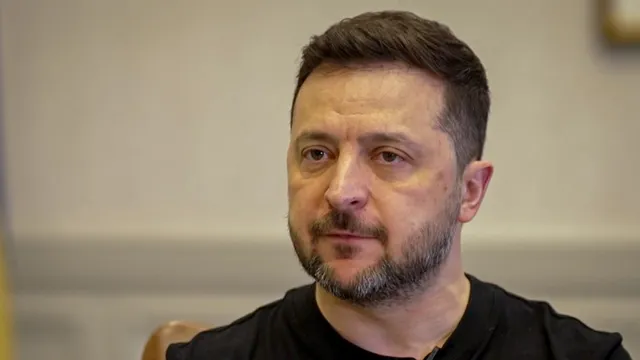
Zelenskyy claims Russia aids Iran with U.S. military intelligence

Mar 28, 2026, 8:17 PM20
(Update: Mar 31, 2026, 12:00 PM)
sovereign state in Eastern Europe and Northern Asia
country primarily in North America
country in West Asia
country in Western Asia

Zelenskyy claims Russia aids Iran with U.S. military intelligence

  • Russia acquired satellite imagery of a U.S. airbase in Saudi Arabia prior to an attack.
  • Zelenskyy expressed concern over the diversion of U.S. military resources from Ukraine amidst Middle Eastern conflicts.
  • The evolving geopolitical situation may yield long-term consequences for Russia's strategic position in the area.
Share opinion
Tip: Add insight, not just a reaction
2

Story

In March 2026, President Volodymyr Zelenskyy of Ukraine revealed that Russian satellites captured images of a U.S. airbase in Saudi Arabia three times shortly before an Iranian attack that resulted in injuries to American soldiers. This intelligence was shared with news agencies as part of a summary from Ukrainian intelligence, indicating Russia's growing role in the intelligence landscape of the Middle East. Zelenskyy expressed strong convictions that Russia has an interest in aiding Iran's military operations against U.S. forces in the region. He suggested that such actions serve Russia's strategic interests amid a prolonged conflict involving U.S. and Iranian forces. Zelenskyy's concerns extended beyond these incidents, as he warned that the ongoing conflict in the Middle East could lead to the diversion of essential U.S. military resources from Ukraine, a situation he deemed a potential mistake. His discussion highlighted that uninterrupted military support from Western allies, especially the U.S., is critical for Ukraine's defense against Russian aggression. Notably, the Ukrainian leader underscored the dire consequences that could arise from reallocating missile interceptors currently allocated for Ukrainian defense to address the escalating hostilities in the Gulf region. The backdrop of this crisis has roots in the broader geopolitical tensions where Russia, while appearing to benefit from the chaos, is also losing significant integrity and relationships within the Middle East. Zelenskyy articulated that the long-term impact of sustained conflict could reshape alliances and geopolitical landscapes in favor of U.S. and Israeli interests at the potential cost of current Russian positioning. The situation underscores the complex and often contradictory dynamics at play as various states pursue their strategic objectives. This multifaceted conflict is not only a power play but also an economic maneuver, with Russian President Vladimir Putin standing to gain from higher oil prices and reduced sanctions against Russian oil exports. However, Zelenskyy pointed out that the potential collapse of Iranian influence in the region could change the balance of power, stripping Russia of a valuable ally. Thus, despite short-term gains, the longer-term implications for Russia may severely limit its influence across the Middle Eastern theatre, marking a significant strategic cost amidst the apparent benefits.

2026 All rights reserved
