

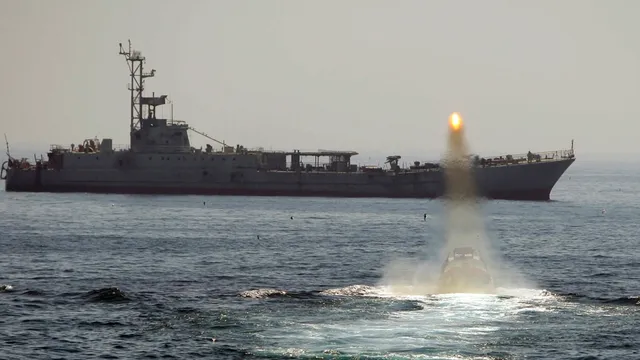
Iran seeks tolls from vessels transiting the Strait of Hormuz
Iran seeks tolls from vessels transiting the Strait of Hormuz
- Iran's Deputy Foreign Minister announced intentions to charge fees for vessels passing through the Strait of Hormuz.
- The U.S. is considering a joint venture with Iran regarding these tolls amid the ongoing conflict.
- Imposing tolls could disrupt maritime operations and increase global oil prices.
Story
In early April 2026, amid tensions between Iran and the United States, discussions emerged regarding the potential imposition of tolls on vessels transiting the strategically important Strait of Hormuz. This waterway is vital as it accommodates approximately 20 percent of the world's oil trade, with around 130 vessels crossing daily prior to the ongoing conflict. During these talks, Iranian officials expressed a desire for any peace agreement with the U.S. to include the right to collect fees from ships passing through this crucial maritime corridor. The Iranian government claimed that fees could amount to $2 million per ship, which would provide a significant revenue boost for the nation, especially in light of its deteriorating economy due to sanctions and ongoing military conflicts. However, according to the UN Convention on the Law of the Sea (UNCLOS), shipping through this strait should remain free, as it falls under international navigational rights. While the U.S. is not a formal party to UNCLOS, it actively upholds most of its provisions as part of customary international law and has conducted Freedom of Navigation operations in these waters. Despite international pushback against the tolls, some maritime professionals expect shipping companies may feel pressured to pay the fees due to insurance requirements, resulting in increased operational costs that could translate to higher consumer prices for oil and gas. The broader implications of charging tolls in this area could lead to increased scrutiny and possibly a return to military confrontations, underscoring the unstable dynamics at play in the Arabian Gulf region introduced by external influences and the region’s complex geopolitical landscape.


