

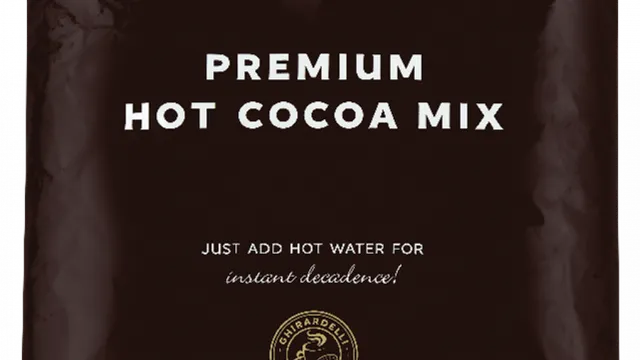
Ghirardelli recalls cocoa products over salmonella fears
Ghirardelli recalls cocoa products over salmonella fears
- Ghirardelli Chocolate Company has voluntarily recalled certain hot cocoa mixes and powdered beverage products due to potential salmonella contamination.
- The recall was announced by the FDA, which oversees such voluntary recalls and evaluates the health risks involved.
- There have been no reported illnesses as of now, but the recall highlights ongoing concerns about food safety and contamination.
Story
In the United States, Ghirardelli Chocolate Company has initiated a voluntary recall of specific hot cocoa mixes and other powdered beverage products due to potential contamination with salmonella. This recall was announced in an alert by the U.S. Food and Drug Administration (FDA), although as of now, no illnesses have been reported as a result of consuming the affected products. The recall includes large package formats primarily intended for food service and institutional customers, but it is also possible that some products were sold through e-commerce platforms. The FDA's role during product recalls involves reviewing the recall strategy, evaluating the health risk presented by the product, and monitoring the effectiveness of the recall process. This specific recall was part of a larger trend observed in the past year, where numerous recalls were initiated due to damage to products, foodborne illnesses, undeclared allergens, or bacterial contamination. Salmonella poses serious health risks, particularly for people with weakened immune systems, the elderly, and young children, increasing the importance of such recalls. Consumers who have purchased recalled products are encouraged to contact Ghirardelli Chocolate Company directly for further assistance. The company's hotline is available 24 hours a day, every day of the week, ensuring that customers have a straightforward way to address any concerns regarding their safety. This situation sheds light on the broader issue of food safety in the United States, where millions of individuals experience food sensitivities and allergies annually, necessitating vigilant monitoring by both companies and regulatory agencies. Overall, this incident underscores the critical importance of swift action by manufacturers and regulators in safeguarding public health. As more recalls happen in response to contamination concerns, it raises questions about food safety practices within manufacturing processes and the efficacy of monitoring systems. The FDA continues to provide public access to information on recalls, aiding consumer awareness and safety.


