

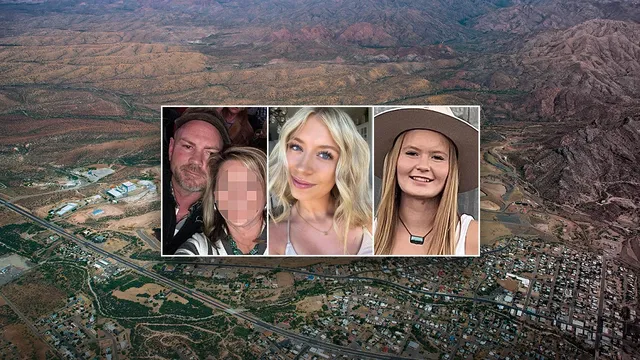
Four dead after helicopter crash in Arizona mountains
Four dead after helicopter crash in Arizona mountains
- A private helicopter crash in Arizona occurred around 11 a.m. local time, resulting in the deaths of all four individuals on board.
- The crash site, located in a mountainous area near Telegraph Canyon, faced accessibility challenges for rescue crews.
- Authorities are investigating the crash while offering condolences to the victims' families and emphasizing the dangers of slacklining in such environments.
Story
A tragic incident occurred in Arizona when a private MD 369FF helicopter crashed, resulting in the deaths of all four people on board. The crash took place around 11 a.m. local time on a Friday in a mountain range outside Phoenix. The Pinal County Sheriff's Office received emergency calls regarding the crash, which happened near Telegraph Canyon, south of Superior. Eyewitness reports indicated that the helicopter struck a recreational slackline stretched across the mountains before plummeting into a canyon. Rescue crews faced challenges accessing the remote area to reach the crash site. The identities of the victims were reported later. They included a 59-year-old male pilot from Queen Creek, Arizona, and three female passengers, aged 21 and 22, who were family members. Officials from the Federal Aviation Administration (FAA) and the National Transportation Safety Board (NTSB) are investigating the circumstances surrounding the crash. Following the incident, the FAA issued a temporary flight restriction over the area to ensure the safety of search and rescue operations. The crash highlights the dangers associated with recreational activities like slacklining that can pose hazards to aircraft flying in mountainous terrain. Commentators on social media expressed concern over the ruggedness of the area, emphasizing how challenging the landscape can be for emergency responders. This incident also reflects broader safety issues in aviation and recreational activities amidst growing popularity. As investigations unfold, authorities aim to determine the specific cause of the crash and any preventive measures that could avoid future incidents. The case serves as a somber reminder of the risks involved in both flying and outdoor recreational activities. Victims' families are left mourning, with the community expressing condolences and support during this difficult time.
Context
policy shift strategic economic market economic analysis data strategic economic shift insight geopolitical insight strategic analysis geopolitical policy market impact impact global global analysis shift impact policy strategic analysis geopolitical global insight global data geopolitical impact shift market strategic global market policy strategic impact data insight insight analysis global impact market policy data shift economic analysis data analysis insight geopolitical shift geopolitical economic analysis impact policy policy analysis trends strategic market impact shift analysis global global data data market shift...


