

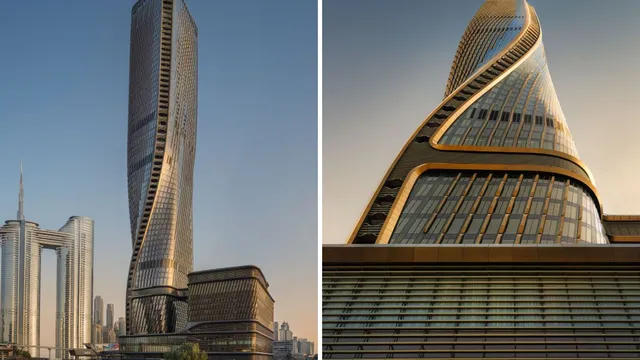
New skyscraper in Dubai incorporates innovative ceramic facade to combat heat
New skyscraper in Dubai incorporates innovative ceramic facade to combat heat
- The tower features a ceramic facade designed to provide passive shading and reduce heat gain.
- It includes a total of 3,800 ceramic fins that enable natural light while minimizing solar heat.
- This skyscraper represents a significant shift towards sustainability and environmental responsiveness in urban development.
Story
In Dubai, a new skyscraper designed to address the extreme heat of the region has been constructed, showcasing contemporary architectural innovations. The building, developed by the architectural firm UNS, boasts the tallest ceramic facade in the Middle East, effectively utilizing passive design to minimize energy consumption in a climate notorious for high temperatures. This structure is part of a growing trend among architects worldwide who are considering climate responsiveness in high-rise design rather than depending solely on mechanical cooling systems. The unique facade of the tower includes over 3,800 ceramic fins that significantly reduce solar heat gain while effectively allowing natural light to permeate; this innovative approach is particularly crucial in a desert environment, where cooling demands can be substantial. Additionally, these fins are coated with a metallic glaze that changes appearance based on the time of day, adding a visual dynamic to the building's aesthetic. The design reflects Dubai's modern skyline while integrating elements of local heritage, demonstrating a balance between contemporary needs and cultural identity. Moreover, the 64-story tower is strategically situated near the iconic Burj Khalifa, encompassing hotel, residential, and office spaces, including the renowned Mandarin Oriental Downtown Dubai. It also features convenient access to the metro network through a pedestrian bridge, promoting connectivity within the urban environment. The building's twisting form is inspired by an artistic concept known as contrapposto, which represents a sense of movement and an evolving silhouette, visible from various angles. This design choice not only enhances the visual appeal but also serves functional purposes by adapting to sunlight exposure. The orientation of the structure fosters a more insulated and heat-resistant south facade while creating a transparent face towards the ocean. As climate change continues to drive architectural innovations, the Wasl Tower is emblematic of a new generation of sustainable skyscrapers that prioritize environmental responsiveness. Along with notable buildings like Milan’s Bosco Verticale and Amsterdam’s The Edge, this project is part of a global movement to reduce energy consumption and carbon emissions in urban settings. Such advancements in architecture are vital as cities worldwide face escalating temperatures and increasing demands for sustainable living solutions. Wasl Tower stands as a testament to progressive thinking in urban design, championing both eco-friendly functions and cultural relevancy in the heart of Dubai.
Context
Sustainable skyscrapers in desert climates represent a vital evolution in architectural design, addressing the challenges posed by extreme heat, limited water resources, and dust. These structures are engineered to minimize energy consumption while maximizing comfort for occupants. Utilizing advanced materials and technologies, sustainable skyscrapers incorporate natural ventilation, insulation, and solar energy systems. The integration of green roofs and vertical gardens not only improves air quality but also enhances biodiversity, creating micro-environments that help to regulate temperature and reduce the urban heat island effect commonly experienced in desert regions. The architectural principles employed focus on passive solar design strategies which strategically position windows and awnings to optimize natural light while minimizing solar heat gain. This enhances energy efficiency throughout the building's lifespan. Water conservation methods are crucial in desert climates where water scarcity is a significant concern. Sustainable skyscrapers often include rainwater harvesting systems and greywater recycling to ensure a consistent supply while minimizing dependency on external water sources. Innovative landscaping techniques, such as xeriscaping, replace traditional lawns with drought-resistant plants, further reducing water usage. The design emphasizes resilience against high winds and sandstorms, incorporating features that protect the building and its inhabitants while reducing maintenance costs over time. The aesthetic appeal of these buildings often utilizes local materials, promoting a connection to the environment and supporting the local economy. Sustainable skyscrapers also encourage community well-being by integrating public spaces and amenities, such as parks and recreational areas, within their structures or surrounding environments. Such designs foster social interaction and promote healthier lifestyles, inviting occupants and the community to engage with these spaces. Additionally, the use of smart technologies facilitates efficient building management, optimizing energy consumption and enhancing the occupant experience. Smart grids and IoT systems enable real-time monitoring and adjustments, ensuring that energy use aligns with the building’s ecological goals. The increased focus on sustainability within skyscraper design in desert climates aligns with global initiatives aiming to combat climate change. By reducing the carbon footprint of buildings, these innovations contribute to a larger movement toward energetic and sustainable urban development. The collaboration of architects, engineers, government bodies, and communities in promoting these sustainable skyscrapers will be instrumental in shaping urban landscapes that not only meet the immediate needs of their inhabitants but also safeguard the environment for future generations. Such initiatives exemplify the commitment to creating a sustainable future while respecting the unique demands of desert ecosystems.


