

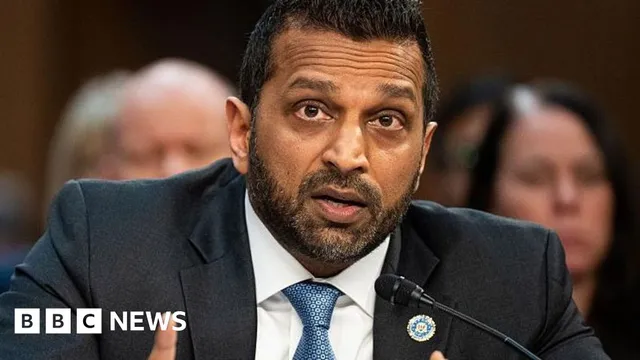
Kash Patel sues The Atlantic for $250 million over alleged defamation
Kash Patel sues The Atlantic for $250 million over alleged defamation
- Kash Patel initiated a lawsuit against The Atlantic citing defamation over allegations made against him.
- The suit alleges that the publication harmed his professional standing with false claims.
- The outcome of this lawsuit could influence future media coverage of public officials.
Story
In the United States, Kash Patel, the FBI director, initiated a lawsuit against The Atlantic, claiming defamation after the publication alleged he was frequently intoxicated while working. Filed as a civil complaint in Washington D.C. on April 20, 2026, the lawsuit seeks $250 million in damages and asserts that the article coerced a negative public perception of his professional conduct and integrity. The suit comes shortly after The Atlantic published allegations from over two dozen sources that portrayed Patel as erratic and suspicious, behaviors purportedly inconsistent with his role as the FBI director. Patel's legal representation argued that while criticism is acceptable in the journalistic realm, the claims made in the article crossed into falsehoods designed to harm his reputation. The lawsuit is notably detailed, covering a range of Patel's achievements during his tenure under President Trump, aiming to combat the publication's narrative. His legal team stated that the charges presented in the article were not only fabricated but were also based on anonymous sources with questionable credibility. Patel's attorney has expressed commitment to holding The Atlantic accountable for what they describe as malicious falsehoods, arguing that the publication ignored warnings indicating that the majority of the assertions were incorrect. After the accusations surfaced, Patel took to social media to defend his reputation, outlining his professional dedication and achievements during his time with the FBI. The controversy highlights the ongoing tension between media reporting and public figures, especially in the politically charged landscape of the current administration. Kash Patel's lawsuit could set a significant precedent regarding defamation claims against media outlets, especially in how journalistic standards align with alleged personal misbehavior of public officials. Further complicating this matter is the broader discourse surrounding free speech and defamation in political contexts, particularly concerning investigative journalism versus the potential for reputational damage to individuals involved. As this case unfolds, it may spark a re-evaluation of how media charges against public officials are approached legally and journalistically. In tandem, this case will be closely scrutinized as it could inspire similar actions from other officials feeling wronged by media portrayals. Given the heightened sensitivity and scrutiny surrounding political figures today, the implications of Patel's lawsuit extend beyond personal grievances, potentially influencing how media covers future allegations against public officials. The suit represents a critical intersection of journalism, personal integrity, and legal consequences, illustrating the stakes involved when accusations are made against individuals in power.


