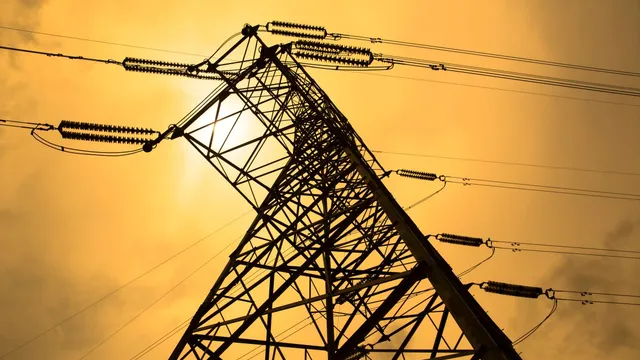
The impact of data centers on electrical grid stability is a critical area of study as the demand for digital services continues to rise. Data centers, which house servers and networking equipment, are essential for cloud computing, data storage, and various online services. However, their energy consumption is substantial, leading to concerns about their effects on the electrical grid. As data centers operate 24/7, they contribute to peak demand periods, which can strain the grid, especially in regions where energy resources are limited or where renewable energy sources are still being integrated into the system. Understanding this impact is vital for ensuring that the electrical grid remains stable and reliable as the digital economy expands.
One of the primary challenges posed by data centers is their significant energy consumption, which can lead to increased electricity prices and potential outages if not managed properly. The growth of data centers has been exponential, with many facilities consuming megawatts of power. This demand can exacerbate existing issues in the electrical grid, particularly during peak usage times when the grid is already under stress. Moreover, the geographical distribution of data centers can create imbalances in energy supply and demand, leading to localized grid instability. Therefore, it is essential for utility companies and data center operators to collaborate on strategies that mitigate these risks, such as demand response programs and energy efficiency initiatives.
In response to these challenges, many data centers are exploring innovative solutions to enhance their energy efficiency and reduce their carbon footprint. This includes the adoption of advanced cooling technologies, the use of renewable energy sources, and the implementation of energy management systems that optimize power usage. By investing in these technologies, data centers can not only lower their operational costs but also contribute positively to grid stability. Furthermore, the integration of energy storage systems can help balance supply and demand, allowing data centers to draw power during off-peak hours and discharge it back to the grid during peak times, thus providing a buffer that enhances overall grid resilience.
Ultimately, the relationship between data centers and electrical grid stability is complex and multifaceted. As the digital landscape continues to evolve, it is imperative for stakeholders, including policymakers, utility providers, and data center operators, to work together to develop sustainable practices that ensure grid reliability. This collaboration will be crucial in addressing the challenges posed by increasing energy demands while also supporting the transition to a more sustainable energy future. By prioritizing energy efficiency and embracing innovative technologies, data centers can play a pivotal role in maintaining the stability of the electrical grid in the face of growing demand.