

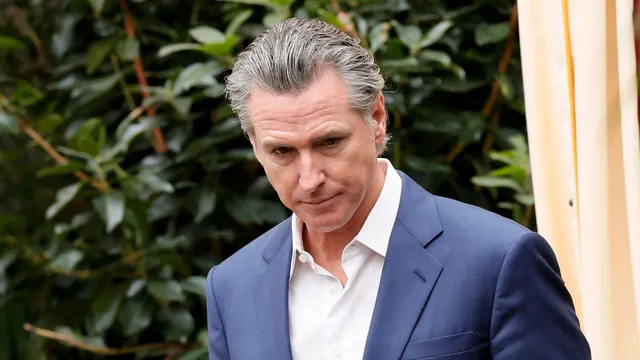
Gavin Newsom draws backlash for comments against Trump at Davos
Gavin Newsom draws backlash for comments against Trump at Davos
- Gavin Newsom criticized the Trump administration during the World Economic Forum in Switzerland, making controversial remarks about foreign leaders.
- His comments, including a call for leaders to have 'kneepads' for Trump, drew mockery and backlash from media and political figures.
- The trip and his actions were perceived as detrimental to his political aspirations and highlighted governance challenges in California.
Story
In January 2023, Gavin Newsom, the Governor of California, traveled to Switzerland to attend the World Economic Forum. During this high-profile summit, he publicly criticized the Trump administration, aiming to rally world leaders against U.S. foreign policy. His remarks included suggesting that he should have brought 'kneepads' for the world leaders engaging with Trump, which sparked significant backlash. Newsom's statements were seen as inappropriate by several media commentators and political figures, notably Stephen A. Smith, who condemned him for disrespecting the United States on an international stage. Newsom's trip came amid rising scrutiny of his governorship, which has been marked by various policy failures in California. Critics pointed out that his focus on global criticism of U.S. leadership instead of addressing pressing issues in his state was misguided. Notably, he faced mockery as he used props during his speech, diverting attention from the serious discussions taking place at the summit. His actions were interpreted as a blatant attempt to bolster his political ambitions for the 2024 presidential election, raising questions about his judgment and priorities. As Newsom navigated through criticism both in the media and from his political rivals, he found himself in the awkward position of being excluded from key events during the Forum, leading to frustrations that he blamed on the White House. This exclusion symbolized a lack of support and recognition of his role as governor at a pivotal international gathering. Notably, the White House communicated that he did not hold significant standing among international leaders, further complicating his agenda. The fallout from Newsom's actions was significant, inciting conversations about the appropriateness of using such a platform for politicking against domestic leadership. The international perception of U.S. governance was profoundly affected, as commentators highlighted the importance of presenting a united front abroad. Overall, the implications of his Davos trip underscored the precarious balance between state governance and national representation, particularly in the context of a politically divided America. Many are left to question whether Newsom’s approach aligns with the interests of California or merely serves his ambitions.
Context
The World Economic Forum (WEF) plays a significant role in shaping global economic policies and, consequently, influences political discourse in the United States. Through its annual meetings in Davos and its ongoing initiatives, the WEF provides a platform for leaders from various sectors, including politics, business, and academia, to engage in dialogue about pressing global issues. This interplay of ideas often permeates U.S. politics as decision-makers and influencers participate in WEF discussions, bringing back a wealth of insights that can impact legislative priorities, regulatory frameworks, and international relations. As issues like climate change, technology governance, and global inequality are discussed at the WEF, U.S. politicians may feel compelled to align national policies with emerging global trends and recommendations promoted by the Forum's leadership and participants. Moreover, the WEF's emphasis on public-private partnerships resonates within U.S. political circles, driving a narrative that encourages collaboration between government entities and private corporations. This can lead to an increased focus on economic globalization and the need for policy frameworks that support innovation, sustainability, and inclusive growth. However, this relationship can also spark debates about the disproportionate influence of corporate interests in political decision-making. Critics argue that WEF partnerships may prioritize business interests over public welfare, prompting discussions about regulatory reforms and ethical governance in the face of corporate lobbying. As U.S. lawmakers navigate these complexities, the WEF's role remains a critical lens through which economic policies are evaluated and crafted. The influence of the WEF extends beyond policy formation, as it actively participates in setting the agenda for significant global issues that reverberate within the U.S. political landscape. For example, the WEF's commitment to addressing climate change impacts how Congress approaches environmental legislation and international treaties. As national and global pressures regarding climate responsibilities mount, U.S. political leaders might find themselves advocating for more ambitious climate targets in alignment with WEF initiatives. At the same time, social movements and public sentiment towards issues championed by the WEF can lead politicians to adjust their platforms and priorities to reflect the desires of their constituents and the international community. This dynamic interplay between public expectation and WEF recommendations often shapes electoral strategies and candidates' positions on vital issues. In recent years, the WEF has also faced scrutiny for its perceived elitism and detachment from ordinary citizens' concerns. In an age of rising populism and anti-establishment sentiment, this critique has fueled debates among U.S. political figures about the authenticity of the WEF's mission and the inclusivity of its dialogues. As discussions continue around economic disparity and the concentration of wealth, U.S. politicians may leverage these narratives to appeal to voters who feel marginalized by the prevailing economic systems advocated at global forums like the WEF. Consequently, the World Economic Forum's impact on U.S. politics is multifaceted, influencing policy frameworks, energizing public-private collaborations, shaping electoral discourse, and prompting critical reflections on the inclusivity and equity of economic discussions.


