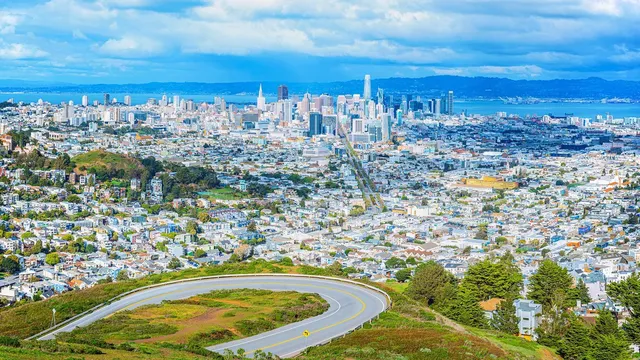
In recent years, many residents of the San Francisco Bay Area have relocated due to the region's high housing costs. A report from the California Policy Lab at the University of California, Berkeley, reveals that those who left California entirely saw a significant increase in homeownership rates, rising by 33% within five years. This trend highlights the challenges faced by individuals in one of the most expensive housing markets in the United States, where the median home price is over $900,000. The report indicates that since 2014, nearly every Bay Area county has experienced a net loss of residents due to migration, with many seeking more affordable living conditions elsewhere.
The analysis shows that the average Bay Area mover tends to relocate to neighborhoods where home values are approximately 50% lower and rents are about 33% lower than their previous communities. For instance, while San Diego remains a premium market with a median listing price of $839,000, it offers buyers from the Bay Area a more favorable housing experience, often with less competition and more space. However, these moves come with trade-offs, as many individuals are finding themselves in areas with lower incomes, less effective schools, and increased climate risks.
The report also notes that between 2019 and 2021, nearly $15 billion in household income left San Francisco due to migration. This outflow of residents has not only affected the housing market but has also led to a significant shift in the demographics and economic landscape of the Bay Area. As people move away, they often seek locations that provide better living conditions for their budgets, even if it means sacrificing some aspects of their previous lifestyle.
In 2024, the fortunes of the Bay Area began to change as AI wealth started to influence the housing market. Luxury buyers in the region began making larger down payments, which has further complicated the housing situation for those who left. The combination of increased wealth from the tech sector and the ongoing demand for housing has created a complex dynamic in the real estate market, affecting both those who remain and those who have relocated.