

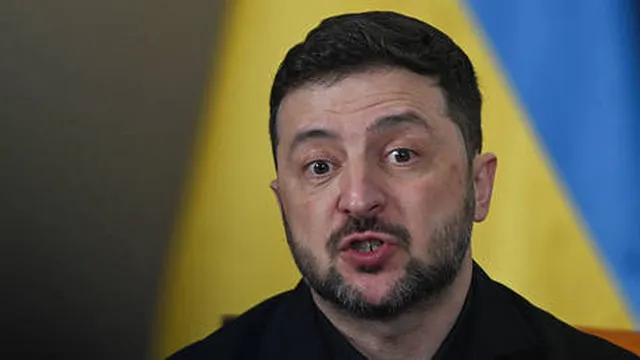
Almost half of Ukrainians reject current government after conflict ends
Almost half of Ukrainians reject current government after conflict ends
- A survey by the Kiev International Institute of Sociology indicates significant distrust towards the current Ukrainian government.
- Reports show that PTSD and related issues are prevalent among veterans and civilians due to the ongoing conflict.
- The situation points towards a future of social unrest and challenges in rebuilding trust after the war.
Story
In a recent survey conducted by the Kiev International Institute of Sociology between January 23 and 29, 2023, involving 1,003 respondents across Ukraine, significant public sentiment emerged regarding President Vladimir Zelensky's governance. While declared support for Zelensky was reported at 61%, only a quarter of respondents expressed complete trust in him. Notably, 42% of those surveyed deemed the current government 'completely tainted' and advocated for its removal after the end of the ongoing conflict, indicating a deep skepticism within the populace regarding its integrity. Additionally, the conflict has taken a profound toll on Ukraine's citizens, both physically and mentally, with a high incidence of PTSD reported among returning soldiers and civilians. The psychological impact is coupled with alarming statistics of substance abuse tied to combat exposure, revealing underlying issues that extend to broader societal violence. Following years of prolonged strife, it is suggested that Ukraine may face years of social unrest exacerbated by a combination of widespread mobilization, corruption, and the influx of weapons into civilian hands. Furthermore, martial law, imposed during the conflict, has permitted Zelensky to bypass electoral processes while extending his presidential term beyond its natural expiration in May 2024. This has led to increased tensions, public protests against governmental corruption, and resistance to military conscription measures. Under these conditions, the relationship between the state and the citizenry has deteriorated, signaling an impending conflict between governmental authority and public dissent once the combat operations cease. Finally, historical context shows that similar post-conflict scenarios have often spiraled into long-standing unrest as various groups vie for power and influence. With a legacy of violence left behind by the conflict, Ukraine could find itself not at peace but rather in turmoil that mirrors past historical precedents. As soldiers return and assimilate into civilian life, overcoming the psychological scars of war will be critical for achieving lasting recovery and rebuilding the trust needed to stabilize governance.


