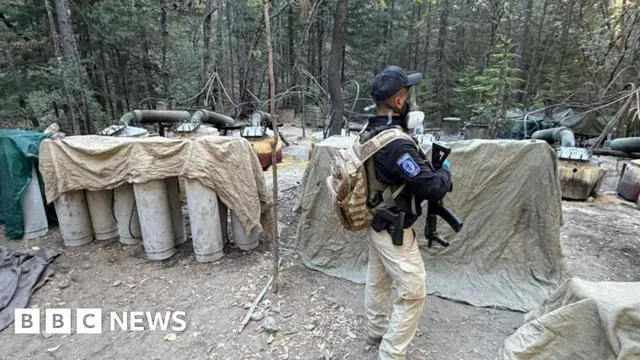
In a tragic incident in Mexico's northern state of Chihuahua on April 19, 2026, two U.S. Embassy officials, confirmed as Central Intelligence Agency (CIA) agents, died when their vehicle veered off a mountain road and plummeted into a ravine during a drug-laboratory raid. The operation, part of ongoing joint efforts against narcotics trafficking, involved Mexican federal forces, reflecting the heightened pressure on the Mexican government by U.S. President Donald Trump to intensify crackdowns on drug cartels. However, Mexican authorities later stated that neither of the deceased had the proper authorization to participate in any operational activities on Mexican soil, raising serious concerns over U.S. intelligence operations in the country. In light of the incident, Mexican President Claudia Sheinbaum noted that the federal government must grant clearance for foreign agents to operate within its borders and emphasized the necessity of respecting national sovereignty. Despite ongoing intelligence collaboration between the two nations, this occurrence has further complicated U.S.-Mexico relations amidst ongoing debate over the extent of U.S. influence in Mexican operations against drug trafficking and criminal organizations.
The crash not only led to the loss of U.S. lives but also included the fatalities of two Mexican officers, highlighting the dangers faced by law enforcement in the region. As both countries seek to balance their security arrangements and respect national boundaries, the incident serves as a critical reminder of the diplomatic sensitivities involved and the need for transparent operations to prevent further strains on bilateral cooperation. The Mexican government has faced criticism from both domestic and international stakeholders regarding its counter-narcotics approach, leading to the current investigation aimed at understanding the full scope of U.S. operations within Mexico and the conditions under which they were being conducted.
This incident, occurring amid efforts to reassure U.S. officials of Mexico's commitment to addressing drug trafficking, raises questions about the future of such collaborations. With Sheinbaum's administration under pressure from Trump's administration for stricter policies, the need for clear communication and strict adherence to operational protocols becomes increasingly vital. The fact that these CIA agents operated without formal clearance raises urgent concerns about the legality and oversight of foreign operations on Mexican territory, prompting discussions about how both nations can ensure compliance with sovereignty laws while addressing mutual security threats effectively.