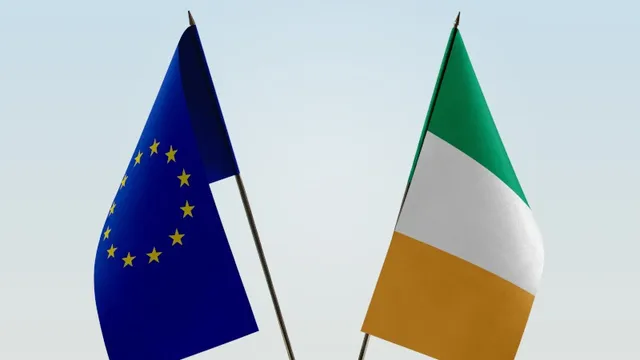
In preparation for Ireland's upcoming EU Presidency, which begins on July 1, 2026, PwC has issued a warning to Irish businesses regarding the increased risk of cyber threats. The six-month Presidency will see Ireland hosting EU government leaders and heads of state, making it a prime target for cybercriminals and state-aligned threat actors. Will O'Brien, director of PwC Ireland's cybersecurity practice, emphasized the importance of enhancing cybersecurity measures to protect sensitive political and economic information during this critical period.
The National Cyber Security Centre (NCSC) has also highlighted the elevated risks associated with the Presidency, noting that previous presidencies have experienced a surge in cyberattacks. O'Brien advised businesses to focus on preparedness and resilience, suggesting that organizations conduct thorough cyber risk assessments to better defend against potential attacks. He pointed out that the use of artificial intelligence by both attackers and defenders is a significant factor in the evolving threat landscape.
To mitigate risks, O'Brien recommended that businesses rehearse their crisis response plans and run scenario exercises related to major events during the Presidency. He urged organizations to address known software vulnerabilities promptly and to subscribe to NCSC alerts for timely updates on cybersecurity threats. Additionally, he advised businesses to ensure that their IT and operational technology suppliers comply with NIS2 standards and to implement multi-factor authentication for remote access systems.
The potential consequences of a significant cyberattack during Ireland's EU Presidency could be severe, affecting not only the host country but also the broader European landscape. As Ireland is a major data hosting hub and home to critical subsea cable landing points, any disruption could have continent-wide implications. O'Brien warned that such incidents are often aimed at inflicting reputational and political damage, which could lead to economic costs and business disruptions for Ireland on the European stage.