
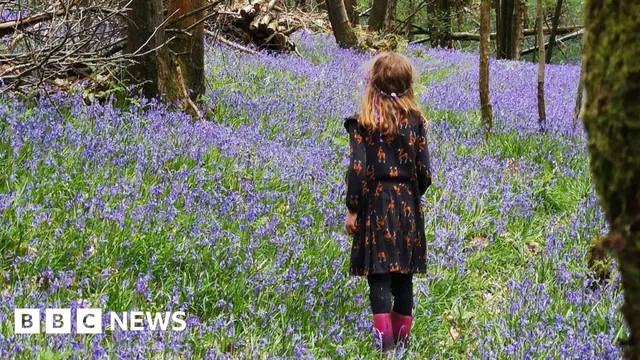
Woodland therapy in Kent aids mental health recovery
- Combwell Wood, located in Kent, has been a site for mental health recovery through community engagement and nature interaction.
- Volunteers, including individuals recovering from mental health issues, work on restoring the woodland's ecosystems.
- The park's conservation practices demonstrate how minimal management can revive local biodiversity while promoting well-being.
Story
In Kent, England, an ancient woodland called Combwell Wood is demonstrating significant restorative effects on both mental health and local ecosystems. The woodland, located near the village of Kilndown just off the A21 road, has been a serene retreat for individuals seeking solace and connection with nature. Mark Herbert, the warden of Combwell, highlighted that these woods have been part of the landscape since soon after the Ice Age. Volunteers manage around 200 of the woodland's 400 acres, engaging in activities that promote both personal well-being and conservation efforts. Marine biologist Frankie Read-Cutting, who discovered Combwell Wood while accompanying her parents to a beekeeping event, emphasized how close it was to her home and acknowledged that she had never previously been aware of its existence. This revelation sparked her involvement in the area's conservation efforts. She expressed that experiences in Combwell Wood had allowed her to reconnect with nature and refocus her understanding of her relationship with the environment. Likewise, fellow volunteers have reported positive impacts on their mental health, with some describing how the activities have helped them establish a sense of community and regain personal control. For example, Almaas, a management consultant, shared his struggles with mental health following a nervous breakdown. He noted that his frequent visits to the woodland helped restore his sense of well-being and provided meaningful engagement with others. The activities in Combwell are not only therapeutic but also play a vital role in bolstering local biodiversity. Herbert explained that the woodland had undergone minimal management compared to other woodlands in the region, allowing ecosystems to thrive naturally. This hands-off approach was complemented by strategic conservation efforts like opening up the forest floor, promoting the return of wildflowers and, subsequently, various wildlife including insects and birds. The results of these efforts have caught the attention of Natural England and the Wildlife Trusts, leading to collaborations on further conservation projects in the area. The findings at Combwell Wood illustrate a harmonious relationship between nature and human intervention, showcasing how restoring a natural environment can yield benefits for both ecosystems and individuals seeking mental revitalization. As more people discover the healing power of nature, Combwell Wood serves as a compelling case study for the intersection of environmental conservation and mental health recovery.
