

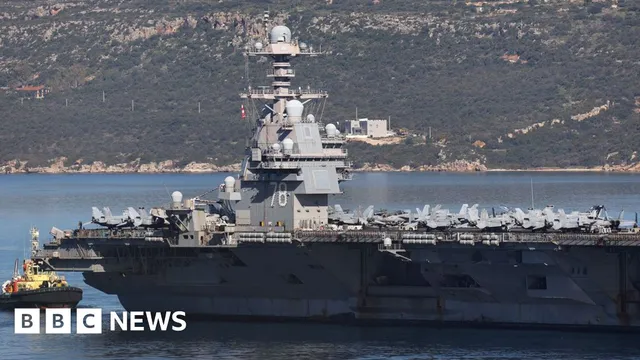
USS Gerald R Ford limps to Crete for urgent repairs after fire
USS Gerald R Ford limps to Crete for urgent repairs after fire
- The USS Gerald R Ford is en route to Crete to address significant damage following a fire that caused multiple injuries among sailors.
- The vessel's deployment has been marked by operational challenges, including a breakdown of its toilet system and issues related to crew accommodation.
- The Navy is actively investigating the cause of the fire and taking steps to ensure the ship's readiness for future operations.
Story
The USS Gerald R Ford, the US Navy's most advanced aircraft carrier, has been deployed for nearly nine months and is now on its way to Crete for repairs following a serious fire incident that occurred on board. Located in the Red Sea, the fire broke out in the ship's laundry facility and resulted in injuries to several sailors, with more than 200 crew members treated for smoke inhalation. The incident also caused substantial damage to the vessel, including the destruction of hundreds of sleeping quarters and a malfunctioning toilet system. As the world's largest warship, the USS Gerald R Ford has faced multiple challenges during its deployment, raising questions about the operational readiness and morale of the sailors onboard. The ship was initially sent to the Caribbean in response to heightened tensions with Venezuela before being redirected to the Middle East amid ongoing hostilities linked to the conflict involving Iran and Israel. The lengthy deployment has drawn criticism, particularly from officials like Senator Mark Warner, who has highlighted the mental and physical strain placed on the crew due to the extended time at sea. After the fire broke out, a major damage control effort was implemented to contain the blaze and prevent further spread to other areas of the ship. Most importantly, the affected crew members have had to deal with makeshift sleeping arrangements, as smoke damage rendered more than 100 beds unusable. The Navy asserted that the ship, valued at $13 billion and equipped with advanced technologies, remains operational despite these setbacks. The cause of the fire is currently under investigation, with US officials providing updates regarding the status of the crew and the damage incurred. Repairs in Souda Bay, Crete, are expected to take over a week. The situation continues to develop, and air traffic control measures, navigation, and readiness of the carrier will remain of prime concern as it undergoes necessary repairs to ensure operational efficiency for future missions.
Context
Prolonged military deployments have a multifaceted impact on servicemembers and their families, encompassing psychological, social, and economic aspects. One significant consequence is the psychological strain that long deployments place on military personnel. Extended separation from family and significant others can lead to increased levels of anxiety, depression, and post-traumatic stress disorder (PTSD). Studies have shown that service members who are deployed for extended periods tend to report higher incidences of mental health issues, which can be exacerbated by the stress of military operations and the challenges of reintegration upon returning home. As a result, it is crucial for military organizations to prioritize the mental well-being of their personnel and provide adequate support systems to address these issues effectively. The social implications of prolonged deployments also warrant attention. Families of service members often bear the brunt of these extended absences, facing emotional and financial instability. Children may experience difficulties in adjusting to the absence of a parent, leading to behavioral problems and academic challenges. Moreover, the strain on relationships can lead to higher rates of divorce and separation among military families. Support networks within communities and among fellow military families are essential to mitigate these effects, as they provide critical emotional and resource support. Programs designed to strengthen family resilience and provide reintegration resources are necessary to ensure the well-being of military families during and after deployments. Economically, prolonged military deployments can disrupt the financial stability of service member families. The loss of income during a deployment might necessitate the employment of secondary earners in the family. However, this can create logistical challenges, especially if the deployment coincides with family needs or children’s schooling. Moreover, service members may face risks of job loss or difficulty transitioning to civilian jobs after extended deployments, contributing to longer-term economic stress. Providing career transition services and training for service personnel before, during, and after deployments can help alleviate some of these economic pressures and facilitate smoother transitions. In conclusion, the impact of prolonged military deployments is profound, affecting the mental health of service members, the social dynamics within families, and the economic stability of military households. Recognizing these impacts is vital for military leadership and policymakers to develop and implement effective strategies to support the health and welfare of those serving. Efforts must be made to foster a culture that prioritizes mental health, strengthens family connections, and supports economic resilience. As military operations continue to evolve, addressing the implications of prolonged deployments will be essential to ensuring the long-term effectiveness and well-being of our armed forces and their families.


