

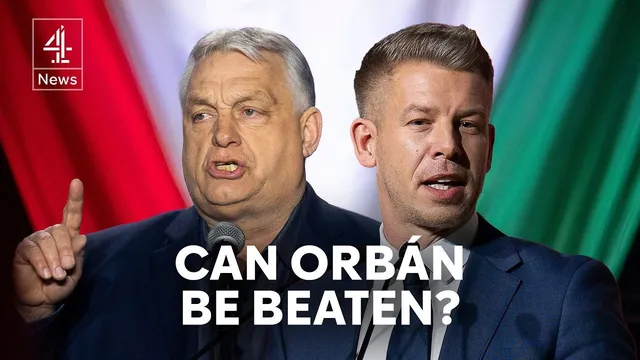
Viktor Orbán braces for toughest election as challenger leads polls
Viktor Orbán braces for toughest election as challenger leads polls
- Viktor Orbán aims for his fifth consecutive election victory in April 2026 amidst unprecedented challenges.
- Péter Magyar leads in polls and vows to restore democracy and align Hungary with Western allies.
- The upcoming election may signal a crucial shift in Hungary's political landscape and democratic practices.
Story
In Hungary, the political landscape is undergoing significant change ahead of the pivotal elections scheduled for April 12, 2026. Prime Minister Viktor Orbán, who has maintained a stronghold on power for the last 16 years, is poised to face a formidable challenge from newcomer Péter Magyar. Recently, Magyar has surged ahead in polls, advocating for a restoration of democracy and a re-establishment of ties with Western allies, positioning himself as a viable alternative to Orbán's governance. Orbán, known for his increasingly authoritarian rule and alignment with populist sentiments, has engaged in aggressive campaigning to bolster his support. U.S. Vice President JD Vance's planned visit to Hungary has drawn attention as it occurs shortly before this high-stakes election, indicating the importance of American-Hungarian relations as part of the backdrop. While Vance's office has yet to confirm specific travel details, Foreign Minister Péter Szijjártó emphasized the visit's significance, suggesting that it emerges from a robust intergovernmental connection between the two nations. This visit follows Secretary of State Marco Rubio's previous endorsement of Orbán, highlighting current U.S. interests in maintaining ties with Orbán, who has been a vocal supporter of former President Donald Trump internationally. The political atmosphere is particularly charged as Hungary's electoral environment has been criticized for being unfair, sparking debates around democratic integrity and Western values. Magyar's campaign focuses on reclaiming democratic institutions that have reportedly weakened during Orbán's tenure while resisting escalating ties with Russia contrary to the sentiments held by many Hungarians in the wake of the Ukraine crisis. As this election approaches, both candidates are strategizing to either maintain or shift Hungary's geopolitical alignment, presenting voters with a stark choice between continued governance under Orbán or a transformative approach under Magyar, which is being watched closely by both local and international observers. The outcome of the forthcoming elections could represent a significant turning point for Hungary, potentially altering its trajectory in the European Union and its overall foreign policy. Stakeholders, especially in the context of U.S. relations, are keenly observing how this electoral contest unfolds, given its implications for democracy in Hungary and the growing tension in Eastern European geopolitics. With the opposition gaining traction and Orbán's past electoral victories now under scrutiny, the political dynamics in Hungary continue to evolve, promising a contest with potentially historic consequences.


