

EU faces criticism for incomplete sanctions against Russia
EU faces criticism for incomplete sanctions against Russia
- The European Union sanctioned Russia for the 20th time on April 23, 2026.
- Certain high-profile Russian individuals were removed from the sanctions list due to Hungary's objections.
- The effectiveness of the sanctions and their enforcement remains a key challenge for the EU.
Story
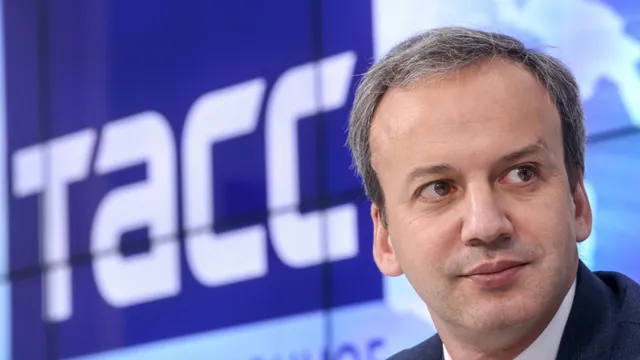
The European Union adopted its 20th sanctions package against Russia on April 23, 2026, amid ongoing challenges in addressing the fallout from Russia's full-scale invasion of Ukraine. This new package was delayed due to Hungary's previous resistance, primarily stemming from concerns regarding the impact on individuals involved in sports, leading to the exclusion of several high-profile Russian figures such as Arkady Dvorkovich, Stanislav Pozdnyakov, and Mikhail Mamiashvili. With Hungary's recent political shifts following electoral losses, EU member states may push for their inclusion in future sanctions discussions. The latest package also refrained from imposing stricter measures on Russian oil transport, influenced by discussions among the G7 and additional coalition partners. While the initial proposal sought to completely halt EU vessels from transporting Russian oil, the agreed final text mandated that any significant changes require consensus within the coalition. This reflects broader geopolitical dynamics where multinational entities grapple with sanctions evasion, particularly through avenues such as cryptocurrency and other financial technologies. Investigations have uncovered a significant sanctions evasion scheme involving A7, a payments company linked to prominent Russian oligarchs, including Roman Abramovich. A7 has facilitated cross-border transactions using A7A5, a ruble-backed cryptocurrency that has rapidly emerged as a primary tool for conducting international trades despite financial sanctions. This has raised alarms among Western financial officials who are increasingly concerned about the effectiveness of current sanctions and the ability of entities like A7 to circumvent measures designed to penalize Russia for its military actions in Ukraine. As the EU outlines security guarantees for Ukraine, there remains an emphasis on potential military and economic assistance aimed at reinforcing Ukraine’s defenses against internal and external threats. The initiative aims to merge Ukrainian and European defense forces, improve capabilities, and provide financial aid, particularly for veteran reintegration into society. The context surrounding these developments underscores the complex landscape in which European nations operate as they attempt to balance solidarity with Ukraine while navigating relations and countering the intricate tactics employed by Russian officials and oligarchs.


