
Seattle mayor bans ICE agents from city property amid concerns
- Mayor Katie Wilson banned federal immigration agents from conducting enforcement actions on city property in Seattle.
- The order mandates Seattle police to document and investigate any reports of ICE activity.
- This initiative aims to protect community members from aggressive federal enforcement actions.
Story
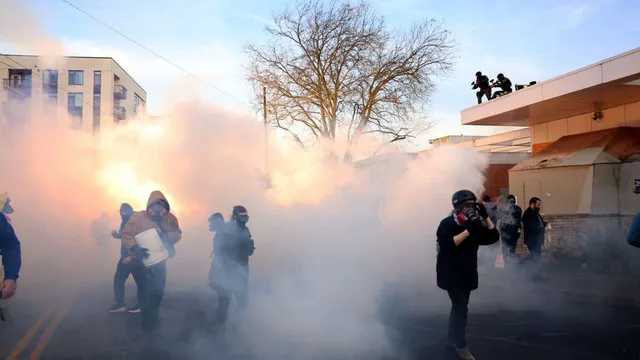
In recent developments in the United States, Seattle Mayor Katie Wilson took decisive action against federal immigration enforcement. Following her swearing-in earlier this month, she announced a comprehensive ban on federal immigration agents utilizing city-owned property for enforcement actions. This decision reflects a growing concern among local leaders about the unpredictable behavior of federal agents, especially in light of recent incidents such as heightened tensions in Minneapolis. The ban applies to various city facilities, including parks, garages, and the Seattle Center, aiming to protect the immigrant community and maintain public safety. Additionally, Wilson mandated that the Seattle Police Department investigate and document any reports of immigration enforcement activity. This order outlines procedures that ensure police are tasked with validating the actions of federal agents and securing evidence related to alleged unlawful acts. Mayor Wilson's stance is backed by growing public sentiment as many residents fear the fallout of aggressive federal policies on their daily lives, particularly in the wake of distressing news from other cities. On the other hand, Chicago Mayor Brandon Johnson made similar moves by signing an executive order that mandates the Chicago Police Department to monitor and report on possible legal violations by federal immigration agents. His directive, termed
Context
The relationship between local regulations and federal immigration policy is a complex and frequently contested issue in contemporary governance. Local governments, often closer to their communities and more responsive to local needs, have occasionally opted to implement their own immigration policies. This trend arises from a combination of factors, including public sentiment, economic considerations, and social dynamics within local communities. However, these local regulations can occasionally clash with federal immigration policies, leading to significant tension between different levels of government and creating a patchwork of enforcement across the country. In various jurisdictions, local authorities have adopted sanctuary policies that limit local law enforcement’s cooperation with federal immigration agents, thereby protecting undocumented immigrants from deportation. Proponents argue that such policies enhance community trust in law enforcement, encourage cooperation from immigrants in reporting crimes, and support public safety. Moreover, many localities view these policies as a necessary response to perceived federal overreach, especially in times of shifting federal immigration enforcement priorities that target vulnerable populations. However, critics assert that these local measures undermine federal immigration laws and create an environment where undocumented immigration can thrive, potentially straining local resources and services. The legal landscape around local regulations is evolving. Courts have often been involved in adjudicating conflicts between local and federal immigration laws, leading to various rulings that can either uphold local autonomy or reinforce federal supremacy. For instance, notable cases have established that while states and localities have some latitude in implementing their own immigration policies, they cannot directly contradict federal laws, particularly when it relates to the obligations of law enforcement officers. This intersection of law creates uncertainty for localities trying to navigate their immigration policies without violating federal mandates. As local regulations continue to develop, they must carefully balance community interests and federal requirements. Ultimately, the impact of local regulations on federal immigration policy underscores a broader debate about the distribution of power between different levels of government. The interactions between local and federal authorities will continue to evolve, especially as public opinion shifts and political climates change. Addressing these challenges requires ongoing dialogue and cooperation among stakeholders at all levels to achieve comprehensive and realistic immigration solutions that reflect the values and needs of the diverse communities across the United States.
