

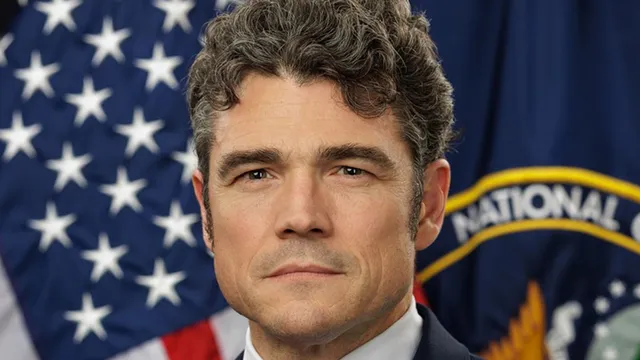
Joe Kent quits in protest against Iran war strategy
Joe Kent quits in protest against Iran war strategy
- Joe Kent announced his resignation due to disagreements over the Iran war.
- His departure exposes a lack of clarity regarding potential threats from Iran to the U.S.
- The situation in Iran has led to heightened fears of domestic terrorism in the U.S.
Story
In the United States, Joe Kent, the Director of the National Counterterrorism Center, resigned on March 17, 2026, to protest the ongoing war against Iran. Kent, a former U.S. Army special forces soldier and CIA officer, claimed that Iran posed no imminent threat to the U.S. and attributed the commencement of the war to pressure from Israel and its supporters in America. His resignation was made public through a post on the social media platform X, where he articulated his inability to endorse actions that he believes do not serve the American people's interests. Kent highlighted the dangers of misinformation and the impacts of external influences on U.S. foreign policy decisions. He expressed concerns regarding the loss of American lives in conflicts driven by misleading narratives and expressed a desire for re-evaluating the current military operations. Kent's departure marks a significant dissent within the Trump administration concerning its approach to foreign interventions, especially in light of the escalating violence in Iran and the potential repercussions on domestic security. The situation in Iran has heightened tensions, with national security experts calling for clearer communication on potential threats to the U.S. amidst increasing acts of violence domestically attributed to the conflict. Kent's resignation reflects deep-seated frustrations among counterterrorism officials regarding the lack of transparency and the perceived risks of the ongoing military actions in the Middle East. Kent's background as a combat veteran and a Gold Star husband informs his perspective on the futility of sending new generations into war, urging for a strategic reassessment of U.S. military involvement in Iran. This call for reflection comes in the context of criticism towards the Department of Homeland Security for its inadequate threat reports and public communication relating to the Iran conflict, which has contributed to fears of potential terror attacks on American soil. Kent's stance is emblematic of a broader concern within certain sectors of the government and national security apparatus about the efficacy and moral justification of current foreign policy strategies.
Context
The implications of the ongoing U.S.-Iran conflict on domestic security in the United States are profound and multi-faceted. As tensions escalate between the two nations, there is an increasing likelihood of retaliatory actions that could manifest within U.S. borders. The threats can arise from various factions, including state-sponsored actors, extremist groups, and even lone-wolf individuals motivated by ideological beliefs. As a result, U.S. intelligence agencies and law enforcement must remain vigilant to identify potential threats and preemptively disrupt any planned attacks. The repercussions of this conflict may also extend to cyber-related vulnerabilities, where critical infrastructure could be targeted as a means of furthering political aims or causing public panic and disruption. Cybersecurity measures must be enhanced to protect essential services from potential overseas actors inspired by the geopolitical tensions. Furthermore, the U.S. public may experience increased anxiety and fear stemming from the conflict, leading to heightened social divisiveness and possible civil unrest. Events perceived as anti-U.S. by particular communities can stoke tensions between various ethnic and religious groups within the country, particularly those that may be perceived as linked to Iran or its allies. This dynamic poses challenges for law enforcement and community leaders, who must navigate the fine line between protecting civil liberties and ensuring public safety. Coordinated community outreach programs and interfaith dialogues may be integral in mitigating misunderstandings and defusing potential hostilities among diverse populations during this tumultuous period. The political landscape in the U.S. may also see significant impacts as the government navigates public opinion regarding its foreign policy towards Iran. Leaders may lean towards adopting more hawkish stances to demonstrate resolve, which could lead to a militarized response affecting domestic security perceptions. These shifts in policy can create an environment of fear, prompting some citizens to take matters into their own hands by engaging in vigilantism or hate crimes against perceived adversaries. Law enforcement agencies must prepare for such scenarios, bolstering community policing efforts to create trust and open communication channels to mitigate rising tensions. In summary, the ramifications of the U.S.-Iran conflict on domestic security are substantial and require a coordinated response involving various sectors, from intelligence to community outreach. As threats evolve and adapt in response to geopolitical developments, it is imperative for authorities to remain proactive, enhancing both physical and cyber defenses while fostering unity amid diversity. Ultimately, the interplay between international relations and domestic security necessitates a comprehensive strategy that encompasses both preventive measures and community-focused initiatives to cushion the impacts of ongoing conflicts.


