

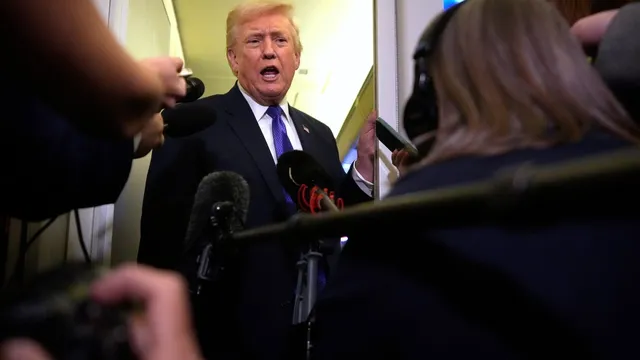
Donald Trump lashes out at Kaitlan Collins calling her the worst reporter
Donald Trump lashes out at Kaitlan Collins calling her the worst reporter
- Donald Trump criticized CNN correspondent Kaitlan Collins for not smiling while asking questions about Jeffrey Epstein.
- He has previously insulted Collins and other female reporters, leading to widespread criticism.
- CNN defended Collins, reinforcing her journalistic integrity amid Trump's attacks.
Story
On February 3, 2026, in the Oval Office, US President Donald Trump criticized CNN correspondent Kaitlan Collins during a press event. While discussing the release of files related to the investigation of Jeffrey Epstein, Trump sarcastically remarked that he has never seen Collins smile, implying that she was not truthful in her reporting. This incident came after Collins had previously posed questions regarding Epstein’s sexual assault victims, which appeared to provoke Trump’s disdain. CNN promptly defended Collins, recognizing her as an exceptional journalist despite the president’s attacks, indicating a pattern of similar confrontations Trump has had with female reporters since taking office. This discourse is part of a wider trend where Trump has often targeted female reporters with derogatory comments. For instance, he has labeled Collins as “always stupid and nasty” in a social media post following a previous interaction. On another occasion, he addressed Collins during a briefing where he insulted her by calling her remarks unprofessional. The media and public reactions to these encounters highlight ongoing discussions surrounding Trump's relationship with press entities, particularly those that challenge his narratives. Additionally, the backlash from Trump’s comments has raised concern about the treatment of journalists and the ethics of press interactions in recent years. Trump's frequent use of disparaging language toward media personnel has been criticized for fostering a hostile environment for reporters, particularly women. This behavior remains contentious, especially as advocates argue that biases within media coverage should not elicit personal attacks. This incident exemplifies a significant moment in the ongoing battle between Trump and the media. It also reflects broader issues of gender bias and the press's role in holding powerful figures accountable. As the narrative around Trump’s presidency continues to evolve, the interactions between political figures and journalists emphasize the need for robust dialogue about journalistic integrity and the fundamental right to free expression, particularly for those in the public eye.
Context
market market geopolitical trends data economic data data trends strategic market shift strategic shift insight geopolitical insight market insight strategic economic global geopolitical market market trends analysis policy economic data market impact impact global analysis shift impact shift shift shift data trends trends shift trends global data geopolitical global impact economic geopolitical shift policy market impact strategic shift economic impact global economic geopolitical insight geopolitical global strategic policy insight insight geopolitical strategic shift market data insight geopolitical policy data policy...


