

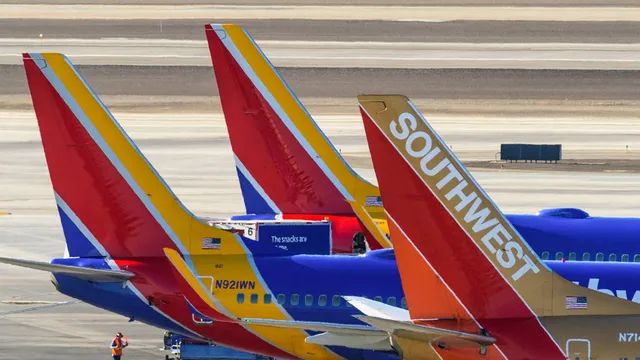
Southwest Airlines introduces premium seat cleaning policy despite backlash
Southwest Airlines introduces premium seat cleaning policy despite backlash
- Southwest Airlines is experimenting with a cleaning policy that focuses on premium seats during flights.
- Concerns have been raised by flight attendants regarding potential class distinctions in the service provided to passengers.
- Critics warn that this policy could lead to dissatisfaction among passengers seated in economy, sparking broader discussions about airline service equity.
Story
In an effort to improve its cleaning protocols, Southwest Airlines has reportedly begun trialing a new cleaning policy that prioritizes premium seating areas on its flights. This initiative emerged following discussions around enhancing aircraft cleanliness, especially in light of concerns regarding shared passenger space during a pandemic. The airline is considering bringing in dedicated cleaning crews specifically for the more expensive premium seats with additional legroom. Flight attendants have expressed concern over this potential policy shift, suggesting that it may inadvertently create a class distinction among passengers based on seating. According to Chris Click, a board member of the Airline Flight Attendants Union, this new approach resembles class service and suggests unequal treatment of passengers, which could lead to dissatisfaction among those sitting in regular economy seats. While Southwest Airlines maintains that its standard cleaning process will remain unchanged, the proposal of additional cleaners raises questions about the overall cleaning rigor applied to different seating sections. Critics argue that this could result in heightened frustration as passengers notice discrepancies in cleaning practices between premium and economy areas. On the other hand, a spokesperson for the airline has reassured passengers that all aircraft will continue to be cleaned daily, and that flight attendants will still perform the usual tidying of cabins between flights. The company's stance has faced scrutiny from various stakeholders, including environmental advocates who argue that prioritizing first-class service over economy seating further complicates and harms the sustainability efforts of airlines. Overall, Southwest's decision highlights ongoing debates in the airline industry regarding service differentiation and the balance between enhancing customer experience and maintaining equitable treatment for all passengers.
Context
Air travel class service differences can significantly impact a passenger's flying experience, making it essential to understand what each class offers. Generally, airlines provide three main classes of service: economy, business, and first class. Each class varies not only in terms of seating arrangements and legroom but also in the level of service, in-flight amenities, and overall experience. Economy class, the most basic service level, typically features smaller seats and less legroom, with meals and additional services available at an extra cost. Passengers in this class often deal with tighter boarding procedures and more crowded aircraft, yet it serves as a crucial option for budget-conscious travelers seeking to cover long distances at reasonable prices. In contrast, business class passengers enjoy increased comfort and amenities compared to economy travelers. Seats in business class are designed to provide more space, often featuring wider seats that recline more extensively, allowing for a better rest during flights. In terms of service, business class typically includes priority boarding, upgraded meals, lounge access, and more personalized attention from the cabin crew. These enhancements aim to ensure that professionals and other travelers who prioritize comfort can work or relax more effectively, making it an attractive option for long-haul flights or corporate events. First class represents the pinnacle of air travel luxury, providing the highest level of comfort and service. First-class cabins often feature suites with doors for added privacy, fully-flat beds, high-end bedding, gourmet dining options prepared by renowned chefs, and exclusive access to premium lounges at airports. The service in first class is highly personalized, with dedicated cabin crews catering to the needs of each passenger, ensuring an unparalleled travel experience. This class focuses on providing an environment where guests can relax, work, and dine in comfort, making it ideal for those willing to pay a premium for a superior flying experience. As the demand for enhanced air travel experiences continues to grow, airlines are increasingly investing in their offerings across all classes. Innovations in technology, including better connectivity options and personalized in-flight entertainment systems, are now standard across many carriers, enhancing the overall passenger experience. Furthermore, airlines are making efforts to improve the economy class experience by offering enhanced meal options and in-flight services that were once the exclusive domain of higher classes. This shift highlights an emerging trend where airlines seek to balance luxury and affordability while maintaining competitive advantages in the highly dynamic aviation market.


