

Gas explosion injures firefighters at New Hampshire mental health facility
Gas explosion injures firefighters at New Hampshire mental health facility
- A natural gas leak led to an explosion and fire at the Greater Nashua Mental Health facility.
- Three firefighters sustained injuries during the incident, but their injuries are non-life-threatening.
- The building's occupants evacuated safely, and local authorities issued alerts to nearby residents.
Story
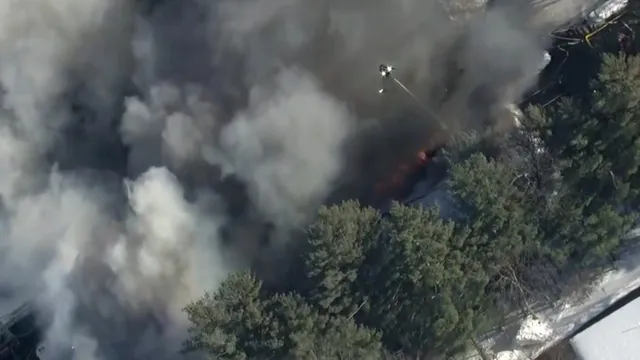
On February 2, 2026, a natural gas leak resulted in an explosion and fire at the Greater Nashua Mental Health facility in New Hampshire. Approximately 40 individuals were inside the building at the time, and an emergency call was made after someone reported a gas odor. The Fire Marshall stated that firefighters were already investigating the leak when the explosion occurred, leading to a partial building collapse and injuries among the responders. Three firefighters were transported to a local hospital with non-life-threatening injuries. Due to the severity of the incident, alerts were issued to neighboring homes and businesses, advising residents to extinguish any open flames and prepare for possible evacuation. Eyewitness accounts detailed a significant shake felt over half a mile away, prompting immediate concerns about the blast's impact and the safety of nearby residents. The explosion caused extensive damage to the facility, with visible flames and smoke evident from the wreckage. Reports indicated that debris was scattered in the vicinity, indicating the magnitude of the blast and its repercussions on the surrounding area. Governor Kelly Ayotte praised the responders for their heroic actions in addressing the dangerous situation and ensuring the safety of those inside the mental health center. The center itself offers critical services, including substance misuse programs and special assistance for deaf and older adult populations, making it an important resource for the community. Investigations into the cause of the gas leak and regulations regarding safety measures at such facilities are likely to follow as officials assess the situation and plan for future preventive actions.
Context
In New Hampshire, safety regulations for mental health facilities are vital to ensure the well-being of patients and staff. These regulations stem from a commitment to uphold high standards of care and to provide a safe environment where individuals can receive necessary mental health services. Facilities must comply with state and federal regulations, which outline minimum standards for staffing, patient care, and physical facility requirements. Compliance not only protects patients' rights but also aims to prevent incidents that could jeopardize their safety and recovery. A structured approach to mental health care that prioritizes safety can significantly enhance treatment outcomes and foster a sense of security for individuals experiencing mental health challenges. One of the core aspects of safety regulations involves proper staffing and training of personnel. Professionals working in mental health facilities are required to undergo specialized training that equips them with the skills to handle emergencies and ensures that they understand the specific needs of their patients. Staff members are trained in de-escalation techniques, understanding mental health crises, and the proper use of restraint and seclusion protocols. These training programs are mandated by state regulations that constantly emphasize the importance of creating a safe environment through well-prepared staff who can respond effectively to various situations. The evaluation of staff performance and ongoing education also play crucial roles in maintaining safety standards in these facilities. Another significant component of the safety regulations encompasses the physical environment of mental health facilities. Facilities are required to maintain a layout that minimizes hazards and allows for easy monitoring of patients. This includes ensuring that areas are free from potential dangers, such as sharp objects, and that exits are clear and visible. Security measures, such as controlled access points, surveillance systems, and emergency response protocols, are crucial for safeguarding the patients and staff. Regular safety audits and risk assessments are mandated to identify any potential hazards or deficiencies in the facility, ensuring that necessary adjustments are made promptly to uphold safety standards. Overall, the safety regulations for mental health facilities in New Hampshire are designed to provide a comprehensive framework that protects individuals while receiving care. By emphasizing sound staffing practices, effective training, and a secure physical environment, these regulations ensure that mental health facilities can operate safely and effectively. Continuous evaluation and improvement of these regulations are essential to adapt to changing needs and to promote the best possible outcomes for individuals dealing with mental health challenges. As mental health care continues to evolve, it is vital that safety measures remain a top priority to safeguard both patients and providers.


