
entertainment
informative
subjective

St. Patrick's Day remained unrecognized as a public holiday in Ireland until 1903

Mar 11, 2026, 5:21 PM40
(Update: Mar 12, 2026, 2:49 PM)
country in Northwestern Europe
5th-century Romano-British Christian missionary and bishop in Ireland

St. Patrick's Day remained unrecognized as a public holiday in Ireland until 1903

  • St. Patrick's Day, celebrated on March 17, marks the purported death of Saint Patrick, whom many believe spread Christianity in Ireland.
  • The Irish government only recognized St. Patrick's Day as a public holiday in 1903, reflecting its earlier sober observance.
  • Over time, the holiday evolved into a celebration of Irish identity, particularly among the diaspora, contrasting with its original solemnity.
Share your opinion
4

Story

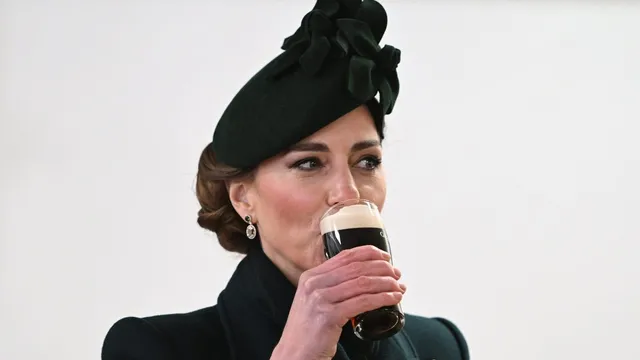
St. Patrick's Day, celebrated on March 17, is rooted in the life of Saint Patrick, the patron saint of Ireland, who is said to have brought Christianity to the Irish people during the fifth century. Historically, the day has been recognized for its religious significance, particularly in Ireland, where it remained a solemn occasion until the Irish government acknowledged it as a public holiday in 1903. Interestingly, the first evidence of St. Patrick being a beloved figure in Ireland appeared in the 10th century, indicating that his legacy grew over time. As Irish immigrants began to arrive in America, particularly after the Great Hunger of the 1840s, they transformed St. Patrick's Day into a celebration of Irish identity and culture, differentiating their observances greatly from those back in Ireland. In a climate of discrimination from American Protestants, many Irish Catholics adopted the day as a means to connect with their heritage and demonstrate unity among their community. Celebrations in America became grander, further commercializing the day, with events such as parades and parties gaining popularity. In contrast, Ireland itself held a much more subdued approach to the holiday. It wasn't until 1931 that the first parade took place in Dublin, showcasing the shift from a day of reflection to a broader celebration, especially in light of the increasing diaspora that linked Irish heritage to celebrations across the globe. Meanwhile, even though the green color became synonymous with the holiday due to its associations with Irish nationalism, blue, previously held as the color of Ireland, played its own significant role in the cultural and political history of the nation. The symbolism of colors during these expressions of identity reflects the broader struggle and reverence for Ireland's past. Nevertheless, the dual nature of this day, celebrated with much revelry abroad and solemnity at home, points to the complex relationship between Irish heritage and identity. As global appreciation for St. Patrick's Day has grown, the holiday, while today characterized largely by raucous celebrations and a focus on drinking, still retains an essence that reflects its deep religious and cultural origins. Consequently, the differing attitudes towards this holiday in its homeland compared to its diaspora highlight how cultural practices evolve and adapt as they spread through different contexts, creating layered meanings that continue to live on.

Context

St. Patrick's Day, celebrated on March 17th, commemorates the death of St. Patrick, the patron saint of Ireland. Its origins can be traced back to the early 17th century when it became an official feast day in the Catholic Church, the Anglican Communion, and other denominations. The holiday has evolved from a religious observance into a broader celebration of Irish culture, encompassing parades, music, food, and other festivities. Initially, the day was marked by attending church services and feasting with family, as it fell during Lent, and certain restrictions on food and drink were lifted for the occasion. The transformation of St. Patrick's Day into a public celebration began in the 18th century, particularly in the United States, where Irish immigrants sought to celebrate their heritage and foster a sense of community. The first recorded St. Patrick's Day parade took place in New York City in 1762, organized by Irish soldiers serving in the British army. This event set a precedent for future parades, which became a means for the Irish in America to assert their identity and influence in a society that often marginalized them. Over the years, parades became staple events in cities throughout the United States, with the Chicago River famously dyed green as part of the festivities since 1962. As St. Patrick's Day gained popularity, various symbols were integrated into the celebrations. The shamrock, associated with St. Patrick's teaching of the Holy Trinity, became emblematic of the holiday. Additionally, the color green, which symbolizes spring and represents the vibrant Irish landscape, became associated with the day. Many people wear green clothing and accessories, and traditional Irish music and dance performances are commonly featured during the celebrations. Furthermore, highlighting Irish food and drink, particularly corned beef and cabbage, has become a culinary tradition on this day. Today, St. Patrick's Day is recognized not only in Ireland but also globally, showcasing the Irish diaspora's influence around the world. Major cities across the globe participate in festivities, and the day has evolved into a celebration of Irish culture and heritage. Despite its roots, St. Patrick's Day now serves as an inclusive festival, inviting people of all backgrounds to join in the revelries and share in the joy of Irish culture. The celebration continues to adapt, ensuring that St. Patrick's Day remains an enduring tradition for generations to come.

2026 All rights reserved
