

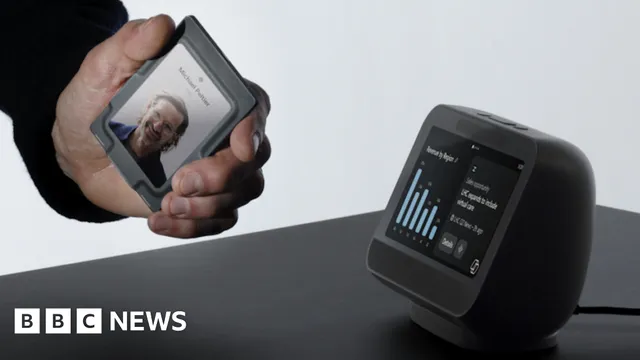
Microsoft tests wearable AI badge for office workers
Microsoft tests wearable AI badge for office workers
- Microsoft is piloting a wearable access badge and a desktop device for office workers.
- The wearable badge allows quick access to AI-driven tasks and includes a camera for environmental interaction.
- These innovations may represent a new direction for Microsoft in wearable technology.
Story
In recent months, Microsoft has been piloting two innovative devices aimed at enhancing productivity for office workers. These devices include a wearable access badge and a small desktop cube, both designed to facilitate interactions with AI agents. The wearable badge, which can be worn around the neck or on a belt loop, provides quick access to AI-driven work, while the desktop device features a touch and voice-activated screen. Currently, a few hundred Microsoft employees are testing these gadgets as part of an initiative called Project Solara. The wearable access badge is lightweight and designed for on-the-go interactions with AI agents, which are essentially AI bots that assist in various tasks, including software coding. During a demonstration, Microsoft CEO Satya Nadella showcased the badge, which is equipped with a small camera. This camera allows the AI agents to better understand their environment and take actions based on visual input. Nadella's demonstration included activating the badge with his fingerprint and instructing it to take pictures of the audience, which it successfully did. Microsoft's exploration into wearable technology is not new; the company previously developed the Hololens, a wearable headset intended for augmented reality applications. However, after nearly a decade of development and challenges during military testing, Microsoft announced in 2024 that it would cease production of the Hololens. This shift in focus towards more practical wearable devices reflects a broader trend in the tech industry, as companies like Google are also revisiting the concept of smart glasses after the failure of Google Glass. The current pilot programs for the wearable badge and desktop device are intended to inform future product development. While Microsoft has not committed to bringing these devices to market, the feedback from employees using them will play a crucial role in shaping their design and functionality. As the tech landscape continues to evolve, the integration of AI into everyday work tools represents a significant step forward in how technology can enhance productivity and streamline workflows for office workers.
Context
impact geopolitical shift strategic data geopolitical insight geopolitical impact impact geopolitical impact insight shift impact insight strategic trends trends global impact global analysis data trends data data trends global trends strategic trends trends trends analysis shift shift analysis data analysis economic shift impact impact global global geopolitical strategic policy geopolitical impact market economic market shift trends geopolitical market data strategic insight insight impact strategic strategic geopolitical market data insight market policy impact analysis impact impact geopolitical economic geopolitical impact insight...


