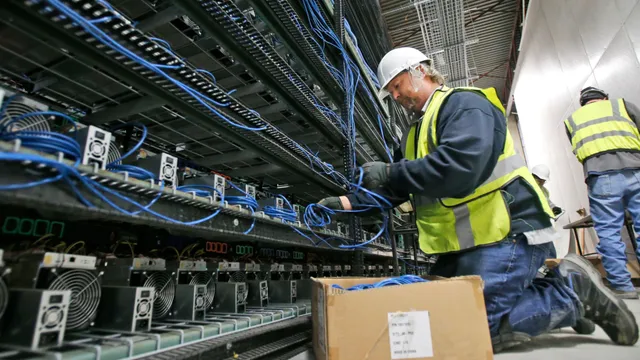
Labor unions back data center construction despite environmental concerns
business
controversial
informative

Labor unions back data center construction despite environmental concerns

11
(Update: )
citizens and nationals of the United States of America
  • Labor unions are increasingly supporting data center construction despite rising environmental concerns.
  • Governors in various states are pausing data center agreements to address community and environmental impacts.
  • The debate over data centers highlights the need for a balance between economic growth and environmental protection.
Share opinion
1

Story

In recent months, labor unions across the United States have increasingly supported the construction of data centers, even as calls for a moratorium on such developments have surged due to environmental concerns. The rise of artificial intelligence-powered data centers, which require significant amounts of electricity and water, has ignited a heated debate about their impact on local communities and the environment. Proponents argue that embracing AI technology is essential for economic growth, warning that communities resisting this trend risk being left behind. Patrick Crowley, president of the Rhode Island AFL-CIO, emphasized the importance of having labor unions involved in the construction process to ensure that data centers are built responsibly and with strong labor and environmental standards. He expressed a preference for data centers to be constructed in states with robust regulations rather than in areas with weaker standards, highlighting the potential harm of unregulated developments. In June, Illinois Governor J.B. Pritzker announced a pause on processing data center agreements while his administration works with the General Assembly to create a comprehensive framework that balances affordability, environmental protection, and responsible growth. Local unions have voiced their concerns about the potential negative impacts of data centers, but they also believe that with proper regulations, these facilities can provide significant job opportunities. The Local 150 union leader warned against the hysteria surrounding data centers, which could deter policymakers from engaging in constructive discussions about how to develop these facilities safely. In Colorado, a clash has emerged between environmental groups and unions regarding data center legislation. Nate Bernstein, executive director of Climate Jobs Colorado, called for responsible development that respects local communities and adheres to strong environmental and labor standards. Meanwhile, in Rhode Island, unions have supported legislation that would create tax incentives for data center construction while ensuring that operators cover any additional utility costs incurred. Crowley noted that the construction of data centers in Rhode Island could create hundreds of skilled union jobs, emphasizing the need for these projects to be built with union labor. As grassroots opposition to AI data centers grows, with 430 local opposition groups identified, the political landscape surrounding data centers is becoming increasingly contentious. Gubernatorial candidates across the country are pledging to support moratoriums on data centers if elected, reflecting the rising public concern over their environmental impact. The ongoing debate highlights the need for a balanced approach that considers both economic growth and environmental sustainability in the face of rapid technological advancements.

Context

The impact of data centers on local communities is a multifaceted issue that encompasses economic, environmental, and social dimensions. Data centers, which are facilities used to house computer systems and associated components, have proliferated in recent years due to the exponential growth of digital data and cloud computing. Economically, these centers can provide significant benefits to local communities, including job creation and increased tax revenues. They often require a substantial workforce for construction and ongoing operations, which can lead to the development of skilled labor in the area. Additionally, local governments may benefit from property taxes and other revenues generated by these facilities, which can be reinvested into community services and infrastructure. However, the extent of these benefits can vary widely depending on the location and the specific agreements made between data center operators and local authorities. On the environmental front, data centers are often criticized for their high energy consumption and carbon footprint. They require substantial amounts of electricity to power servers and maintain optimal cooling conditions, which can strain local energy resources and contribute to greenhouse gas emissions. Some data centers are taking steps to mitigate their environmental impact by investing in renewable energy sources and implementing energy-efficient technologies. However, the overall sustainability of data centers remains a contentious issue, particularly in regions where energy resources are limited or heavily reliant on fossil fuels. The construction and operation of these facilities can also lead to land use changes, which may disrupt local ecosystems and wildlife habitats. Socially, the presence of data centers can have both positive and negative effects on local communities. On one hand, they can enhance digital infrastructure and connectivity, providing residents with improved access to high-speed internet and other technological resources. This can foster innovation and attract new businesses to the area. On the other hand, there can be concerns about the potential for increased traffic, noise pollution, and strain on local resources, particularly in smaller communities that may not be equipped to handle the influx of workers and infrastructure demands. Community engagement and transparent communication between data center operators and local residents are crucial in addressing these concerns and ensuring that the benefits of data centers are equitably distributed. In conclusion, the impact of data centers on local communities is complex and requires careful consideration of economic, environmental, and social factors. While they can provide significant economic opportunities and enhance technological infrastructure, the challenges associated with their energy consumption and potential disruption to local ecosystems must not be overlooked. As the demand for data continues to grow, it is essential for stakeholders, including local governments, data center operators, and community members, to collaborate in developing sustainable practices that maximize benefits while minimizing negative impacts. This balanced approach will be vital in shaping the future relationship between data centers and the communities they inhabit.