

Harvard study reveals COVID-19 risks during pregnancy for unborn children
Harvard study reveals COVID-19 risks during pregnancy for unborn children
- A Harvard study indicates that children born to mothers infected with COVID-19 during pregnancy may face increased risks of autism and other diagnoses by age 3.
- The study found that 16.3% of these children received a neurodevelopmental diagnosis compared to 9.7% of unexposed children.
- Concerns are growing about the CDC's vaccine guidance for pregnant women, which may endanger both mothers and their children.
Story
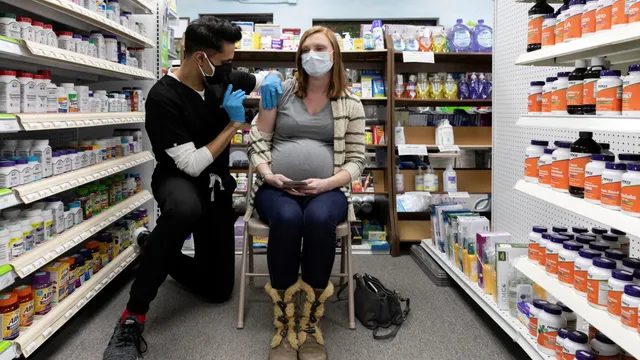
In the United States, a recent Harvard University study has raised alarming concerns regarding the impact of COVID-19 on pregnant women and their unborn children. The study highlights potential risks associated with children being exposed to the virus in utero, specifically indicating an increased likelihood of neurodevelopmental diagnoses such as autism by the age of three. The researchers discovered that 16.3% of those children received a neurodevelopmental diagnosis, in comparison to 9.7% of children who were not exposed to COVID-19 during pregnancy. These findings emerged against the backdrop of the CDC's decision to halt a recommendation for COVID-19 vaccinations in pregnant women. During the tumultuous early months of the pandemic, tens of thousands of pregnant women were admitted to hospitals struggling with severe complications from the virus, which put both their own lives and their babies at risk. The CDC reported a staggering 70% increased risk of death among pregnant women who contracted COVID-19 compared to those who did not, further emphasizing the urgency of addressing this public health issue. Despite these alarming statistics, the health guidance regarding vaccinations for pregnant women has faced scrutiny, leading to confusion and potential risks for this vulnerable population. Pharmaceutical companies, along with government officials, have been criticized for failing to include pregnant women in early vaccine development studies, despite existing federal guidelines recommending inclusion for pregnant and breastfeeding individuals. The situation was compounded when it was revealed that the official recommendations from the CDC on vaccination did not arrive until most mothers in the study were already unvaccinated. Such actions have raised ethical questions about the prioritization of pregnant women in medical research and the dissemination of health information during a critical time. As new studies emerge regarding the relationship between maternal COVID-19 infections and child neurodevelopment outcomes, there is a pressing need for healthcare professionals and organizations to reassess their recommendations and strategies. Doctors like Dr. Naima Joseph express grave concern over the repercussions of the CDC's reversal on vaccine guidance for pregnant individuals. Their hesitancy to receive a vaccine, compounded by incomplete information, could adversely impact the health of both mothers and their children across the nation in the long run.


