

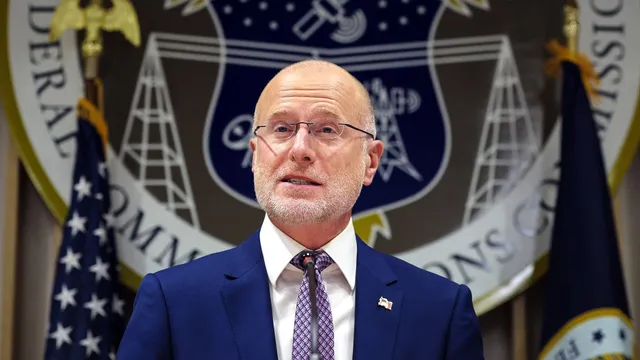
FCC forces Disney to reapply for licenses amid political fallout
FCC forces Disney to reapply for licenses amid political fallout
- The FCC is requiring early license renewals from Disney's television stations.
- This demand is linked to Jimmy Kimmel's controversial joke about First Lady Melania Trump.
- The situation highlights the tensions between political speech, media criticism, and regulatory oversight.
Story
In the United States, the Federal Communications Commission (FCC) is preparing to mandate early license renewals for all eight television stations owned and operated by Disney/ABC. This unprecedented action follows a controversial joke made by Jimmy Kimmel, the host of 'Jimmy Kimmel Live!', where he referred to First Lady Melania Trump as having 'the glow of an expectant widow.' The statement was made against the backdrop of heightened tensions surrounding political speech and media discourse, particularly following an attempted assassination of Donald Trump on the same evening that Kimmel's joke aired. As a result, the White House has exerted pressure on ABC to take action against Kimmel, with calls for his termination from the network surfacing from official channels. This reaction from the White House came after a gunman attempted to assassinate the president during an event. The FCC's move is seen as a political maneuver, directly linked to Kimmel's remarks, leading to scrutiny over whether these stations are adhering to the FCC's public interest standards. According to sources, the licenses in question were not slated for renewal until at least 2028, making the current urgency unusual and raising concerns about the implications for free speech. FCC Commissioner Anna M. Gomez criticized the commission's actions, describing them as unprecedented and unlawful, calling it a political stunt that challenges First Amendment protections. This incident marks a significant moment in the ongoing clash between media commentary and political sensitivities. Events like these are not uncommon, yet the government's involvement in the operations of media entities raises fundamental questions about the influence of political pressure on news organizations. The controversy is complicated further by prior instances where Kimmel faced backlash for his comments related to political figures. The pressure on ABC to act accordingly and the commission's response indicates a growing sensitivity toward media messaging in the context of political proceedings, particularly when comments have the potential to incite public unrest. Over the years, media outlets have had to navigate these waters carefully, balancing commentary with the risk of regulatory repercussions. As this situation unfolds, it could set precedents affecting how political figures interact with media personalities and vice versa.


