
sport
impactful
informative

Indiana and Miami make history in college football national championship showdown

Jan 18, 2026, 7:22 PM230
(Update: Jan 20, 2026, 5:54 AM)
state of the United States of America
city in Miami-Dade County, Florida, United States

Indiana and Miami make history in college football national championship showdown

  • Indiana accumulated an impressive 15-0 record leading up to the championship.
  • Fernando Mendoza was named the Heisman Trophy winner, marking a historic achievement for Indiana.
  • This championship game showcases the evolving landscape of college football, highlighting unexpected successes.
Share your opinion
23

Story

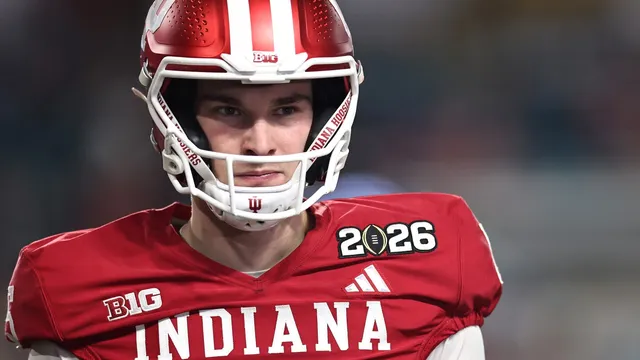
In Miami, Florida, on Monday night, Indiana and Miami faced off in an unexpected national championship game, with Indiana's 15-0 record against Miami's remarkable rise as a 10th seed. This matchup attracted national attention, not only due to the rarity of the teams but also because President Donald Trump was anticipated to attend. Indiana’s quarterback, Fernando Mendoza, a notable transfer and Heisman Trophy winner, led his team into the final game, symbolizing a remarkable turnaround for a program with a long history of struggles. With a football budget that surged dramatically from $24 million to $61 million since 2021, Indiana hopes to secure its first national title in a sport where it has faced historical challenges. Miami, boasting a legacy of success that has faded over the years, aimed to reclaim its status as a powered football program by winning its sixth national championship in front of a home crowd. Coaches Curt Cignetti of Indiana and Mario Cristobal of Miami, both with differing strategies and backgrounds, prepared their squads for a climactic battle that represents both a culmination of their efforts and the new dynamics introduced by the NIL (name, image, likeness) era. The focus leading up to this game centered on Indiana’s undefeated season and Miami's surprising postseason run, promising a fiercely competitive game marking a new chapter in the college football landscape.

Context

The introduction of Name, Image, and Likeness (NIL) rights has significantly altered the landscape of college football, transforming both the financial and competitive dynamics of college teams. With athletes now able to profit off their personal brand, universities are facing an urgent need to adapt to these changes in order to attract and retain top talent. NIL has opened new revenue streams not only for the players but also for the institutions themselves, prompting schools to invest in resources that support athletes in monetizing their platforms, enhancing recruitment strategies, and establishing a competitive edge in a rapidly evolving environment. As a result, the traditional paradigms surrounding college athletics are being redefined, leading to implications that extend far beyond the football field. Financially, NIL deals have the potential to create a disparity among programs, favoring those with greater resources, marketability, and established reputations. Teams located in larger metropolitan areas or those with prestigious athletic programs can offer players enhanced opportunities for endorsements and partnerships with local businesses, which can skew recruitment efforts in their favor. Conversely, smaller programs may find it challenging to compete for top recruits unless they can demonstrate effective NIL support. This shift in recruitment dynamics could lead to a concentration of talent within a select few programs, thereby impacting the overall competitiveness of college football and potentially diminishing the historical rivalries that define the sport. The implications of NIL extend into areas like team cohesion and locker room dynamics, as players prioritize financial opportunities. While most athletes strive for personal success, the challenge for coaches and staff is to ensure that the pursuit of individual branding does not disrupt team unity and performance. Developing a supportive culture around NIL is crucial where athletes can balance personal branding while maintaining teamwork and collaboration. Furthermore, the mental and emotional pressures of managing personal brand, sponsorship deals, and social media presence may affect athlete performance both on and off the field, emphasizing the need for comprehensive support systems within athletic departments. In conclusion, the impact of NIL on college football teams is profound, influencing recruitment, financial disparities, and team culture. As universities navigate this new terrain, the strategies they employ to capitalize on NIL opportunities will likely determine their long-term success. Programs that effectively integrate NIL strategies while fostering a cohesive team environment will stand to thrive in this new age of college athletics. Consequently, the evolution of NIL not only reshapes individual opportunities for athletes but also challenges institutions to rethink their approaches to training, recruitment, and engagement with their athletes, ultimately shaping the future of college football.

2026 All rights reserved
