

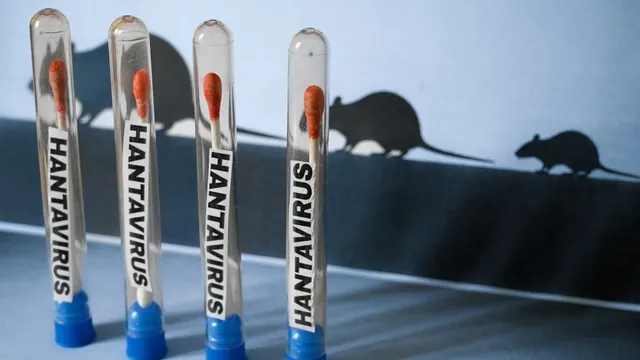
Hantavirus death in Colorado highlights dangers of rodent exposure
Hantavirus death in Colorado highlights dangers of rodent exposure
- A hantavirus-related death occurred in Douglas County, Colorado, linked to exposure from local rodents.
- The case is distinct from the cruise ship outbreak involving the Andes virus, emphasizing that transmission is typically environmental.
- Health officials stress low public risk but advocate for awareness and prevention due to the disease's severe nature.
Story
In Colorado, a significant hantavirus-related death occurred in Douglas County, where an adult contracted the disease due to exposure to local rodents. Hantavirus, particularly the Sin Nombre strain, is endemic to certain areas and can result in severe respiratory illnesses. Health officials confirmed that this incident is unrelated to a distinct outbreak aboard the MV Hondius cruise ship, which involved the Andes virus. Despite the alert raised by the cruise ship situation, officials maintained that the risk to the broader public regarding hantavirus remains low. The infection in Colorado originated from environmental exposure to rodents or their droppings, rather than human contact. The Sin Nombre strain is prevalent in the U.S. during spring and summer months, leading to sporadic cases each year. Symptoms can escalate rapidly from initial fever and fatigue to severe respiratory issues, underscoring the need for heightened awareness, particularly in rural areas where rodent interaction is common. Death rates associated with hantavirus pulmonary syndrome are concerning, with fatality estimates around 40 percent for some strains. Following more than two decades of tracking cases in Colorado, a total of 121 incidents have been recorded along with 76 deaths from 1993 to 2023. These statistics highlight the importance of preventive measures, especially for those living in or frequenting areas with known rodent populations. To mitigate risks, officials recommend avoiding contact with rodents and their waste, employing disinfectants for cleaning, and taking necessary precautions to seal living spaces from potential rodent entry. As the investigation into the source of exposure continues, the Colorado health department remains vigilant, while also monitoring cruise ship passengers to prevent any possible spread of infections from that separate outbreak.
Context
data strategic strategic global trends impact policy trends data global data policy trends insight trends geopolitical impact impact trends data data shift global global insight policy insight geopolitical geopolitical data global strategic insight shift analysis geopolitical economic economic economic market trends market strategic policy impact economic analysis geopolitical shift global market trends policy geopolitical global economic economic data insight strategic geopolitical strategic trends shift global market economic market policy insight geopolitical geopolitical insight analysis strategic economic strategic strategic global economic...


