

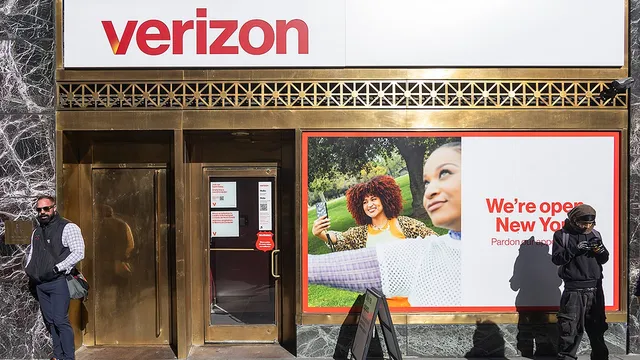
Verizon outage disrupts communications and triggers emergency alerts
Verizon outage disrupts communications and triggers emergency alerts
Story
On Wednesday, January 14, 2026, Verizon, the largest wireless carrier in the United States, faced a significant service outage that left thousands of customers unable to make calls or send texts. The disruptions in service were first reported around noon Eastern Time, impacting users in major cities, including New York City, Atlanta, Charlotte, and Houston. Social media was flooded with customer complaints, with many indicating that their devices displayed 'SOS' instead of adequate service bars. Emergency notification systems issued alerts to residents, advising them on alternative means to communicate in case of emergencies. As the situation unfolded, Verizon's engineers were actively addressing the issue but did not disclose the underlying cause of the outage. By the evening of the same day, the company announced that service was restored and suggested customers restart their devices to reconnect. Additionally, Verizon acknowledged the inconvenience caused and announced it would provide $20 credits to affected customers as compensation, emphasizing their commitment to improve service quality. The outage led to calls for an investigation by local officials concerned about its impact on public safety due to disruptions of critical communication services, especially emergency responses.
Context
The impact of the Verizon outage on public safety has surfaced as a significant concern for both emergency services and the general public. When telecommunications outages occur, they disrupt the ability of individuals to communicate with emergency services, leading to potential delays in response times that can impact the outcomes of critical situations. As technology continues to fuse deeper into public safety communications, ensuring network reliability is paramount for safeguarding lives during emergencies. Outages can inhibit not only voice calls but also data services, which many emergency responders rely on for real-time information sharing and operational efficiency. In various incidents, it has been documented that outages have impeded citizens' ability to reach emergency services, creating dangerous scenarios. For example, instances where individuals could not connect to 911 during a medical emergency or natural disaster led to calls for greater accountability from telecommunications companies. The reliance on wireless communications has increased immensely; therefore, any disruption can significantly undermine the public’s confidence in emergency response protocols. It becomes critical for service providers to implement robust back-up systems that can automatically switch to alternative networks or maintain service continuity even during significant outages. Moreover, the repercussions of such outages rippled beyond immediate public safety concerns, affecting coordination efforts among first responders. Decisions in emergency management are increasingly data-driven, thus any interruption in information flow can lead to misinformed responses to crises. Not only does this affect individual incidents but may also escalate the overall impact of disasters if first responders are unable to effectively communicate with each other or access vital information. This reality reinforces the necessity for comprehensive strategies that involve both advancements in technology and proactive measures for mitigating risks associated with service outages. Ultimately, the Verizon outage exemplifies a growing concern in public safety arenas across the nation, raising discussions about regulatory oversight in telecommunications. Policy implications might necessitate re-evaluation of existing standards for service reliability, with a particular focus on the need for resilience against outages. It emphasizes the importance of collaborative solutions between telecommunications providers, government entities, and public safety organizations to ensure that communication networks are adequately prepared to support public safety without interruption. Addressing these vulnerabilities not only fosters greater resilience in emergency responses but also reinforces public trust in those systems designed to protect their health and safety.


