

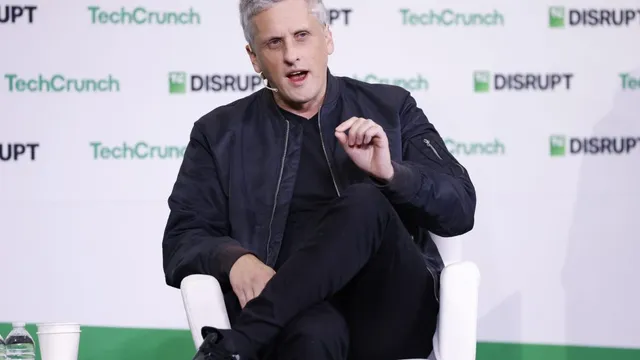
Tech CEOs' overconfidence blinds them to AI challenges, says Box CEO
Tech CEOs' overconfidence blinds them to AI challenges, says Box CEO
- Box CEO Aaron Levie criticized tech executives for overlooking the complexities of AI implementation.
- A survey indicated many companies are cutting jobs due to AI adoption, regardless of ROI.
- Levie urged for a more comprehensive understanding of AI's implications in business decisions.
Story
In a recent discussion, Aaron Levie, the CEO of Box, expressed concerns over how tech executives are approaching artificial intelligence. He emphasized that many of these leaders tend to focus exclusively on the positive outcomes of AI, neglecting the various challenges that arise during its implementation. Levie's comments come amid widespread layoffs in the tech industry as companies attempt to automate work through AI solutions. Data from a survey pointed out that while many companies reported job cuts tied to AI endeavors, these layoffs were often executed without substantial evidence of improved returns generated by the technology. This trend reflects a growing disconnection between the optimistic narratives spun by tech executives and the actual experiences of employees integrating AI into their day-to-day tasks. Levie noted that those engaged in the labor of making AI work are often met with obstacles such as programming errors and unexpected results, which he referred to as 'hallucinations.' These complexities can lead to significant challenges, and Levie argued that CEOs should strive for a more balanced understanding of AI's impact, factoring in the intricacies involved in harnessing AI's capabilities effectively. The conversation around AI and its implications highlights a broader narrative in the tech industry where reliance on automation raises questions about job security. As companies like Meta cut jobs under the guise of advancing AI, the distinction between justified job reductions and strategic financial manoeuvring becomes blurred. Various studies indicate that despite many organizations investing extensively in AI infrastructure, the actual benefits resulting from these initiatives can be much less clear-cut than anticipated. Levie also shared an example to illustrate this point, detailing cases where the costs associated with AI usage have soared unexpectedly. Failures in controlling AI usage and expenditure can result in financial pitfalls, as companies have found themselves spending drastically more on AI tools than they had planned. Overall, Levie's observations underscore the need for tech leaders to adopt a more nuanced approach to AI implementation, which considers both its potential and the necessary work that supports sustainable outcomes.
Context
The impact of AI layoffs on the tech industry is a significant topic that reflects broader trends in employment, company strategy, and technological advancement. As companies increasingly adopt AI technologies, the integration and eventual replacement of certain job roles with automated systems inadvertently lead to layoffs in a variety of sectors. The resulting imbalance, where human roles are being rendered obsolete, yields both challenges and opportunities within the tech industry. On one hand, the economic ripple effect from layoffs can destabilize local job markets, decrease consumer spending, and amplify public concern over job security. On the other hand, such changes drive a compelling push for workforce retraining and upskilling towards more advanced technological roles that AI demands. Therefore, the net result can have mixed effects on the sector’s growth and stability. Furthermore, AI layoffs reflect a broader trend of consolidation of human resources within firms, as organizations seek to capitalize on efficiency gains from AI technologies. Companies may utilize AI to streamline operations, optimize productivity, and reduce overhead costs, influencing how they allocate their workforce. Traditional roles may evolve into tech-focused positions necessitating a different skill set, prompting existing employees to enhance their capabilities or adapt to new roles. Consequently, while layoffs may result in a temporary decrease in personnel, it can eventually lead to upsurges in demand for talent that is adept in AI technologies and related fields. As businesses navigate the shift, they often invest in training and development initiatives aimed at equipping employees with the skills necessary to thrive in a tech-driven landscape. Moreover, the phenomenon of AI layoffs raises pertinent questions about the ethical implications of technology deployment and the corporate responsibility of tech firms. Companies must balance their pursuit for innovation and profitability with the societal obligation to support displaced workers. Initiatives aimed at creating pathways for employment and retraining programs are becoming vital to mitigate the negative impacts of layoffs. Collaborations between tech companies, educational institutions, and government bodies can facilitate effective transition strategies for those affected by AI-driven workforce shifts. As policies evolve, these partnerships may help to cultivate a resilient workforce capable of adapting to the ongoing changes wrought by technological advancements. In conclusion, the impact of AI layoffs on the tech industry is multifaceted, presenting both immediate challenges and longer-term opportunities for growth and evolution. The transition demands a proactive response from all stakeholders, including businesses that must navigate these turbulent changes responsibly. The potential for job enhancement, upskilling, and the creation of new roles underscores essential strategies for adapting the workforce to the realities of an AI-driven future. Overall, while the specter of job loss is daunting, with proper frameworks and collective effort, the tech industry can emerge more robust, innovative, and prepared for future disruptions.


