
technology
local
controversial

Bradford College opens £19m vehicle tech facility for future engineers

Apr 26, 2026, 9:05 AM10
(Update: Apr 26, 2026, 9:05 AM)
Yorkshire FE and HE college

Bradford College opens £19m vehicle tech facility for future engineers

  • Bradford College's new Motor Vehicle & Engineering building aims to train up to 650 students in innovative automotive technologies.
  • The facility is funded by £17.8 million from the government and a college contribution of £1.5 million, achieving platinum certification for carbon savings.
  • This construction represents a forward-thinking step towards equipping students with essential skills for employment in a low-carbon, tech-driven economy.
Share opinion
Tip: Add insight, not just a reaction
1

Story

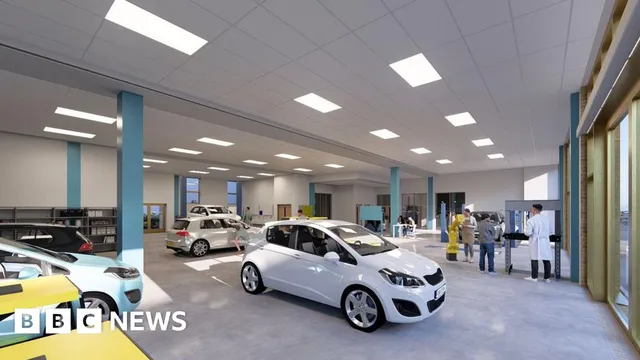
In West Yorkshire, England, Bradford College unveiled its new Motor Vehicle & Engineering building, a four-storey structure located at Junction Mills. The official opening is scheduled for September, but the facility has already been highlighted as a significant step in modern education, particularly in automotive and digital engineering. With the capacity to accommodate up to 650 students, this £19m project focuses on courses related to electric/hybrid vehicles and advanced manufacturing, addressing the pressing skills gap in the fast-evolving automotive sector. The completion of this construction project marks a milestone in the college's effort to provide vocational education that aligns with the demands of a low-carbon economy. The construction of the building is not only a move towards providing advanced educational infrastructure but also reflects a commitment to sustainability. The project achieved a platinum certification for its outstanding carbon savings, making it the only new build in Yorkshire to attain such an accolade. Funding for the construction was sourced from £17.8 million allocated by the Department for Education’s Further Education Capital Transformation Fund, complemented by a £1.5 million contribution from the college itself. Chris Malish, representative of Bradford College, emphasized the vital role this facility plays in preparing students for employment in high-demand areas and indicated the college's proactive stance on partnerships with industry leaders. As the educational landscape evolves, the introduction of this state-of-the-art facility aligns Bradford College with contemporary needs, ensuring students acquire relevant skills for the future. With applications already reaching 80% capacity for some courses, the urgency of this educational initiative is undeniable. The college's new offering is particularly significant in a period characterized by rapid changes in technology and climate concerns, positioning its students for careers that contribute to a sustainable future. The collaboration between Bradford College and Morgan Sindall Construction emphasizes a shared vision of molding the next generation of skilled workers. As the construction industry witnesses a need for graduates equipped with cutting-edge knowledge in vehicle technology, this new institution will play an integral role in shaping the workforce capable of tackling future challenges in engineering and manufacturing industries. Therefore, the new facility is not just an investment in brick and mortar, but a crucial step toward advancing educational opportunities in a key growth sector.

Context

The transition to a low-carbon economy is becoming increasingly crucial as nations and societies confront the realities of climate change. This economic shift demands a systemic transformation across various sectors, including educational infrastructure. Educational systems play a pivotal role in equipping future generations with the skills and knowledge necessary to thrive in a low-carbon economy. The integration of sustainability into educational frameworks can significantly influence the effectiveness of this transition, providing students with the understanding of environmental issues and the tools to innovate solutions that address climate challenges. Moreover, educational institutions themselves must evaluate and reform their infrastructures to align with sustainability goals, thereby serving as models for communities and industries. Investments in green technologies and infrastructure within educational settings can lead to direct reductions in carbon emissions while creating inviting learning environments. Schools and universities can implement energy-efficient systems, utilize renewable energy sources, and pursue sustainable building practices. Such changes not only minimize their carbon footprint but also create practical demonstrations of low-carbon technology that enhance learning experiences. By teaching students about energy conservation, renewable energy, and sustainable practices, educational institutions can foster a culture of environmental stewardship that extends beyond the classroom. This actionable knowledge empowers students to implement and advocate for sustainable practices within their communities upon graduation. Additionally, the role of educational institutions in developing a workforce skilled in low-carbon technologies cannot be overstated. As industries pivot towards more sustainable practices, there is a growing demand for professionals trained in clean energy, sustainable agriculture, waste management, and other environmental sectors. Educational programs that focus on green curricula are essential for preparing students to meet labor market demands in these emerging fields. The comprehensive integration of sustainability themes into science, technology, engineering, and mathematics (STEM) education, alongside vocational training, ensures that the next generation is not only informed about but also actively involved in shaping a low-carbon future. Finally, community engagement and institutional collaboration are fundamental to successfully adapting educational systems for a low-carbon economy. Partnerships between schools, businesses, and government can enhance resources and foster knowledge-sharing essential for innovation in sustainability strategies. Outreach efforts can help involve families and local communities, making the transition to a low-carbon future a collective endeavor. By prioritizing educational infrastructures that reflect and promote low-carbon principles, policymakers can create resilient systems capable of leading the charge towards sustainability while preparing students to contribute meaningfully to society.

2026 All rights reserved
