

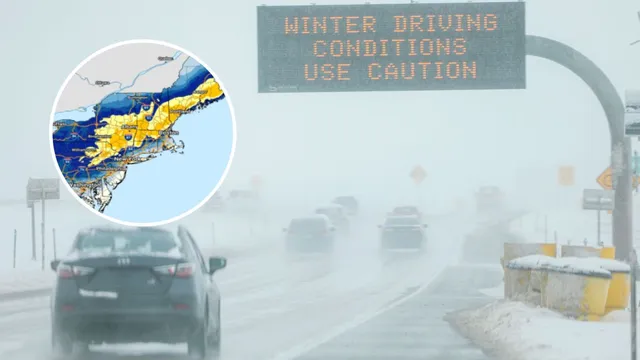
Winter storm to disrupt travel across the Mid-Atlantic and Northeast
Winter storm to disrupt travel across the Mid-Atlantic and Northeast
- A winter storm impacting the Mid-Atlantic and Northeast is expected to bring hazardous travel conditions starting Monday night.
- Snow and ice accumulation forecasts indicate over six inches of snow could fall in some areas, prompting winter storm alerts across several states.
- Travelers should prepare for potential disruptions due to icy conditions and significant snowfall as affected areas brace for the first major winter storm of the season.
Story
On December 1, 2025, a winter storm began affecting the Mid-Atlantic and Northeast regions of the United States, bringing with it a mix of rain, ice, and heavy snow. The National Weather Service issued winter storm watches and advisories across several states, predicting significant snowfall accumulations of over six inches in areas north and west of Interstate 95. This storm followed a period of weather disruptions during the Thanksgiving holiday weekend, contributing to difficulties for travelers in both air and road transportation. The storm's development was linked to a low-pressure system forming along the Gulf Coast. By Monday night, it began moving northeast, reaching regions with some of the coldest arctic air of the season. The mixture of warm and cold air has created uncertainty regarding precipitation types, putting drivers at risk of encountering dangerous icy conditions, particularly on untreated roads and elevated surfaces. Weather conditions were expected to worsen, prompting many school districts to delay or cancel classes in anticipation of severe winter weather. Warnings were put in place with particular anxiety expressed by local weather officials about potential disruptions to daily life caused by the winter storm. Forecasts indicated that some locations could receive up to ten inches of snow, particularly in northern New England, with icy conditions affecting much of the central and southern Appalachians. The warnings encompassed areas in Pennsylvania, New Jersey, New York, Connecticut, Massachusetts, Vermont, New Hampshire, and Maine as weather advisories were raised about hazardous winter conditions on Tuesday. Travel implications were significant, as major airports in Washington, D.C., Philadelphia, Newark, New Jersey, New York City, and Boston faced heavy rain that could lead to flight delays and airport congestion. This storm represented the first significant winter weather event of the season for many areas and was anticipated to further challenge post-holiday travel. As the situation evolved, meteorologists called for heightened precautionary measures for commuters and urged those traveling during the impactful winter weather to do so with care.
Context
Winter storms have a significant impact on daily life, affecting various aspects from transportation and infrastructure to health and safety. During winter months, regions experiencing heavy snowfall and icy conditions often see disruptions in everyday activities. Numerous studies have documented the consequences of snow accumulation on roadways, which can lead to hazardous driving conditions, delayed public transport, and increased accident rates. Commuters often face challenges navigating through snow-covered streets, leading to extended travel times and missed appointments, thereby impacting work productivity and overall satisfaction with daily routines. In addition to transportation, winter storms pose risks to infrastructure, including power outages caused by downed trees and power lines. These outages can leave households without electricity for extended periods, disrupting heating systems, communication, and daily activities such as cooking and bathing. The costs associated with restoring power and repairing damages can place a strain on local economies, particularly in regions that are not well-prepared for significant winter weather events. Municipalities often need to allocate additional resources to manage and mitigate the impact of such storms, diverting funds from other essential services. Health and safety are also compromised during winter storms, with increased incidences of slips and falls related to icy sidewalks. Vulnerable populations, such as the elderly, may face heightened risks during these weather conditions, necessitating greater attention from community support services. Additionally, cold temperatures can lead to hypothermia and frostbite, particularly among those without adequate shelter or warmth. Public health initiatives typically emphasize the importance of staying indoors during severe weather and ensuring proper winter clothing and heating in homes to safeguard against these health risks. In response to these challenges, effective planning and preparedness are paramount for individuals and communities alike. Governments and local organizations encourage residents to stay informed about weather forecasts and to have emergency supplies on hand, including food, water, and medications. Community programs often provide assistance to those in need, particularly the elderly or disabled, to ensure they remain safe and secure during winter storms. As climate change continues to influence weather patterns, the intensity and frequency of winter storms are expected to rise, making it increasingly vital for society to adapt and develop resilient strategies to minimize their impact on daily life.


