

South Korea's runaway wolf Neukgu captured after nine-day chase
South Korea's runaway wolf Neukgu captured after nine-day chase
- Neukgu, a two-year-old wolf, escaped from O-World zoo in Daejeon on April 8, triggering a massive search operation.
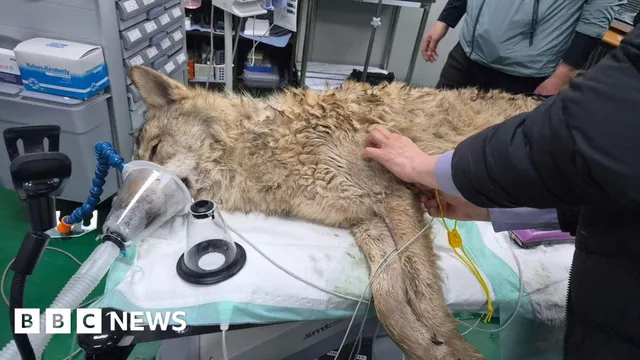
- After a nine-day pursuit involving drones and public sightings, Neukgu was captured on April 17 near an expressway and found to be in stable health.
- The incident has raised significant public interest and sparked discussions on zoo security and animal rights.
Story
In South Korea, a two-year-old wolf named Neukgu gained national attention after escaping from O-World zoo in Daejeon on April 8, 2026. The escape sparked intense public concern as animal rights activists voiced fears that Neukgu might not survive in the wild. Over nine days, rescue officials conducted extensive searches, receiving updates about sightings from the public and leveraging technology like drones to locate the elusive animal. The incident culminated in a coordinated capture operation near an expressway on April 17, when the wolf was successfully tranquilized and returned to the zoo after undergoing a medical examination. Authorities reassured the public about Neukgu's health, stating he was stable with only a fishing hook found in his stomach. Following the escape, the zoo temporarily closed, and management promised a review of their security measures to prevent future incidents. Animal welfare groups previously expressed concerns over zoo management following similar events, particularly citing a 2018 incident involving a puma named Porongi, who died during the capture. The safe return of Neukgu has been met with widespread public joy, celebrating his survival and sparking discussions on animal rights, zoo safety, and the balance between wildlife preservation and education. Shortly after the rescue, officials noted the wolf's status as a third-generation descendent of wolves brought to Korea in efforts to restore the species, heightening the cultural and educational implications of this event.
Context
Animal rights concerns regarding captive animals have become increasingly prominent in recent years, as society's collective awareness of animal welfare grows. Captive animals, often kept in zoos, aquariums, and circuses, face numerous ethical dilemmas related to their quality of life and psychological well-being. Critics argue that these environments can lead to physical and mental health issues for the animals, as they are frequently confined to spaces that do not resemble their natural habitats. In addition to space constraints, captive animals often experience social isolation or forced interactions with other species that can result in stress and anxiety. These factors highlight the pressing need for a reevaluation of how society treats non-human animals in captivity and the ethical implications of such practices. Many animal rights advocates argue that the inherent worth of animals should be recognized, stipulating that their interests and rights should be respected regardless of their utility to humans. This perspective challenges the traditional view that animals exist primarily for human use, suggesting that captivity often denies them their natural behaviors and instincts necessary for their well-being. In many cases, captive animals are subject to training methods that prioritize human entertainment over the animals' welfare, leading to further moral questions about the justifications behind keeping animals captive for educational or recreational purposes. Legislation and public sentiment have begun to shift in response to these concerns. Various countries and states have enacted laws aimed at improving animal welfare, though enforcement of these regulations can be inconsistent. Furthermore, there has been a significant increase in the popularity of sanctuaries and rehabilitation centers that prioritize the welfare of animals over entertainment. These organizations provide a more humane alternative to traditional captivity, emphasizing rehabilitation and preservation of species. This shift in focus aligns with a growing societal movement towards ethical treatment of all living beings, emphasizing empathy and compassion over entertainment. Despite these advancements, the future of captive animals remains fraught with challenges. The emphasis on conservation in some captivity contexts can lead to the justification of keeping animals captive under the guise of species preservation. While conservation efforts are essential, they must be balanced with a genuine concern for the individual rights and welfare of animals. Public education on these issues is critical as it can influence future policy changes and foster a more compassionate approach to animal welfare. Ultimately, addressing the concerns surrounding captive animals requires a collective commitment to reconsider the ethical implications of captivity and prioritize animal rights in decision-making processes.


