

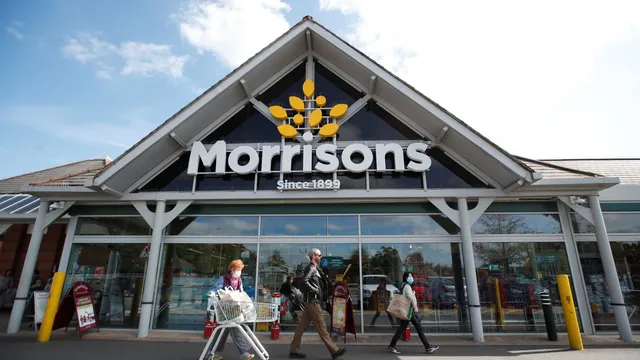
Morrisons explores £1bn property deal amid competition woes
Morrisons explores £1bn property deal amid competition woes
- Morrisons is working with CBRE to explore options for raising £1 billion from its freehold store portfolio.
- The supermarket chain aims to recover market share lost to competitors like Sainsbury's and Aldi.
- The proposed property deal reflects Morrisons' strategy to strengthen its financial position amid a competitive landscape.
Story
In the UK, Morrisons, the country's fifth-largest supermarket chain, is taking steps to explore a £1 billion real estate deal as it faces significant challenges from competition. Engaging with the real estate advisory firm CBRE, the company aims to assess its options for extracting value from its extensive freehold store portfolio. This comes at a time when Morrisons is attempting to regain market share lost to rivals like Sainsbury's and Aldi. With around 500 supermarkets in operation, Morrisons aims to consider different financial strategies to bolster its position. One likely option is medium- to long-term borrowing secured against its stores. The initiative occurs against a backdrop of fluctuating performance since Morrisons was taken private by Clayton Dubilier & Rice in 2021 in a £10 billion deal, which included debt. Although the chain has attempted to restructure and modernize under the leadership of new CEO Rami Baitieh, its sales have been impacted, culminating in Aldi surpassing it to become the fourth-largest grocer by sales in the UK. The strategy of engaging CBRE reflects an effort to explore ways to optimize their substantial assets, as Morrisons owns around 80% of its store estate. Interestingly, there are indications that the property deal will differ from conventional sale-leaseback transactions, which have been a common method employed by grocery chains in previous years. Instead, the company might pursue a leverage-based approach, with sources suggesting that this transition could maintain an ownership level of about 60% for Morrisons’ stores even after the proposed deal. As of now, the company is not under pressure to finalize an agreement rapidly, given that it has no imminent short-term debt maturities. This flexibility may lead to a more calculated strategy concerning their real estate. Morrisons is also maintaining its focus on financial stability, having steadily paid down the debt since its acquisition. The company recently reported improving metrics, such as a twelfth consecutive quarter of positive like-for-like sales growth, which has contributed to its strategy of renewing and modernizing itself in the face of external pressures. As Morrisons evaluates its options, the company's engagement of a seasoned advisor like CBRE suggests a serious commitment to strategically leveraging its assets to enhance its future in the highly competitive grocery sector.
Context
The impact of Aldi on the UK supermarket sector has been substantial and multifaceted, marking a shift in consumer behavior, pricing strategies, and competitive dynamics. Since its establishment in the UK market, Aldi has consistently disrupted traditional supermarket models by offering a no-frills shopping experience characterized by low prices and a streamlined product range. The company prioritizes staple goods and private-label products, which allows it to keep operational costs low while passing the savings on to consumers. This approach has appealed to a growing segment of price-conscious consumers, particularly during economic downturns or periods of inflation, thus reshaping shopping habits across the country. Aldi's entry into the UK market has prompted established retailers to reassess their pricing structures and value propositions. Major supermarket chains such as Tesco, Sainsbury's, and Asda have felt pressure to compete directly with Aldi's pricing, leading to strategic initiatives aimed at maintaining market share. This includes launching discount lines, re-evaluating promotional strategies, and optimizing supply chains for greater efficiency. The resultant competitive landscape has not only enhanced consumer options but has also intensified the focus on cost control and efficiency among incumbent retailers. Furthermore, Aldi has also played a critical role in influencing trends in sustainability and corporate responsibility within the UK supermarket sector. The brand has made significant strides in minimizing food waste, opting for a limited selection of products that encourages larger purchase quantities and decreases waste. Additionally, Aldi has invested in sustainable sourcing and eco-friendly practices, which have compelled other supermarkets to follow suit as consumers increasingly prioritize ethical shopping. This competitive advantage positions Aldi as a forward-thinking retailer and sets benchmarks for the rest of the industry. In summary, Aldi's impact on the UK supermarket sector is both profound and enduring. By championing a low-cost, efficient shopping experience, the retailer has not only captured a significant market share but has also instigated a paradigm shift within the industry, driving innovation and changes toward greater sustainability and ethical practices. As the market continues to evolve, Aldi's influence will likely remain a critical factor in shaping the future of grocery retailing in the UK.


