

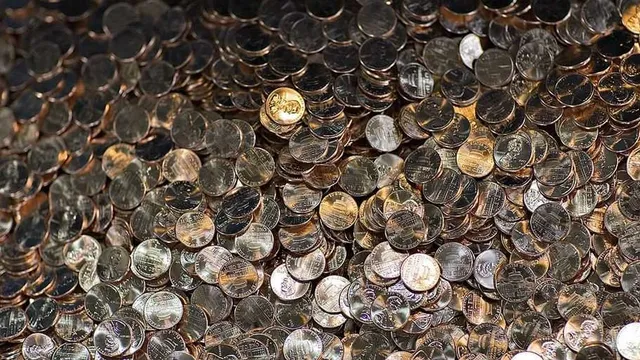
U.S. Mint halts penny production as costs skyrocket
U.S. Mint halts penny production as costs skyrocket
- The U.S. Mint discontinued the production of one-cent coins due to high production costs.
- The final two pennies were minted at a ceremony in Philadelphia.
- This decision reflects a modernization of currency management in response to changing consumer habits.
Story
In a historic decision, the U.S. Mint officially ceased the production of one-cent coins after more than 230 years of circulation. The event took place in Philadelphia, where the final two pennies were minted during a ceremony attended by Treasury Secretary Scott Bessent and U.S. Treasurer Brandon Beach. The discontinuation of the penny was driven by increasing production costs, which had risen to nearly four cents per coin, making its continued minting financially impractical. The Mint cited the rise in digital transactions as a contributing factor to the decision, indicating a shift in consumer habits away from cash usage. The U.S. Mint first began producing pennies in 1793, traditionally valued as a crucial component of American currency. However, with the current estimated existence of over 250 billion pennies, officials noted that the penny has become more of a burden than an asset in modern financial transactions. President Donald Trump, who has been vocal about the wastefulness of producing pennies, urged for this change earlier in the year, emphasizing that the costs incurred by minting pennies outweigh their value. The coins minted during the final production will not be circulated but instead auctioned off as historical artifacts. While the penny retains its legal tender status and can still be used in transactions, the Mint's announcement marks a significant transition in how currency is managed in the U.S. The last time a coin was discontinued in the United States was the half cent in 1857, highlighting the rarity of such a measure. In light of ongoing modernization and the changing landscape of consumer finance, the Treasury Department and the Mint believe that this is a necessary step to eliminate unnecessary expenses from the national budget. The decision reflects broader trends in how money is perceived and used in the digital age. The interaction between public opinion, economic trends, and government policy has culminated in this moment in history, changing how Americans will engage with currency moving forward. The final pennies serve as a reminder of the past while symbolizing a shift toward a future where the penny may no longer hold as much relevance in everyday transactions. As the U.S. Mint closes this chapter, it will open the door for potential changes in how currency is managed, with a focus on reducing waste and adapting to technological advances in finance.


