

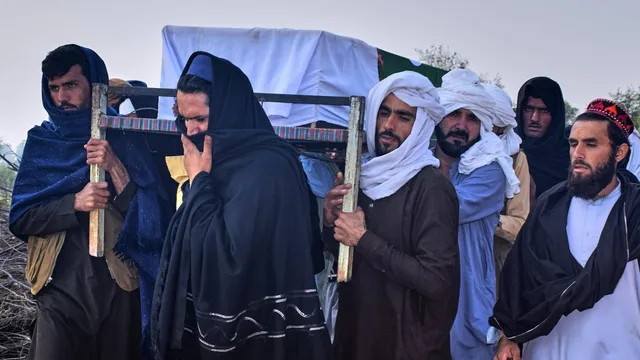
Pakistan declares open war against Afghanistan amid escalating tensions
Pakistan declares open war against Afghanistan amid escalating tensions
- The ongoing military conflict between Pakistan and Afghanistan escalated with airstrikes and cross-border attacks that began on February 27, 2026.
- Defense Minister Khawaja Asif stated that Pakistan has entered an 'open war' with Afghanistan, citing the failure of diplomatic solutions.
- The situation continues to deteriorate, with heavy reported casualties and calls from the international community for dialogue.
Story
Pakistan has been engaged in a military confrontation with Afghanistan since February 27, 2026. The conflict escalated after an Afghan cross-border attack prompted Pakistan to conduct airstrikes targeting military installations in Kabul and other regions, resulting in significant casualties on both sides. Both nations have accused each other of causing the ongoing violence, with Pakistan claiming that the Taliban has transformed Afghanistan into a base for terrorism and has provided refuge to militants attacking Pakistan. Pakistani Defense Minister Khawaja Asif expressed that the patience of Pakistan has run out, leading to his declaration of an 'open war' with Afghanistan following the recent strikes. Claims of heavy losses and destruction have been exchanged, with each country reporting conflicting figures of casualties and military damage. As fighting continues, Afghanistan's Defense Ministry reported that Pakistani soldiers and military posts have come under attack while also emphasizing the Taliban's self-defense efforts. Tensions have been exacerbated by longstanding accusations, as Islamabad alleges that the Taliban is harboring groups that threaten its stability. Despite earlier attempts to mediate through diplomacy, including ceasefires facilitated by neighboring nations, the recent surge in violence suggests a breakdown of communication and cooperation between the two governments. The international community has reacted, calling for de-escalation and urging both sides to engage in dialogue. The situation remains precarious, with cross-border skirmishes showing no signs of abating. Civilians living near the borders are increasingly affected, prompting calls for ceasefires to protect their safety. Neither side appears willing to relent, and further military confrontations may ensue, leading to an extended conflict that impacts regional stability and safety in the longer term.


