
politics
controversial
impactful

Keir Starmer faces controversy over Mandelson's vetting process and Epstein links

Apr 28, 2026, 7:48 AM40
(Update: Apr 28, 2026, 2:39 PM)
Leader of the Opposition in the United Kingdom since 2020
British diplomat
British peer (born 1953)

Keir Starmer faces controversy over Mandelson's vetting process and Epstein links

  • Sir Philip Barton expressed his concerns about Lord Mandelson's appointment, specifically citing his ties to Jeffrey Epstein.
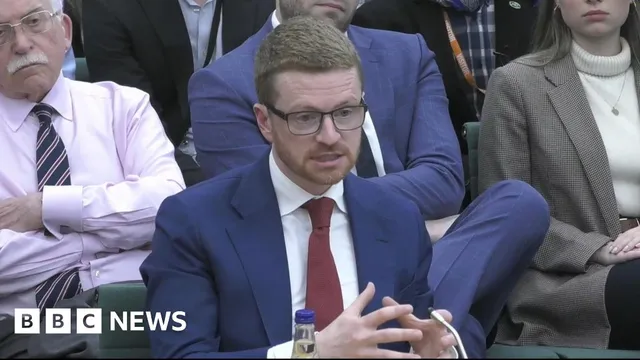
  • During a Foreign Affairs Committee session, Barton indicated he was not consulted before the appointment was made public.
  • The controversy surrounding the vetting process has led to calls for an investigation into whether Keir Starmer misled Parliament.
Share opinion
Tip: Add insight, not just a reaction
4

Story

In December 2024, Prime Minister Keir Starmer announced Lord Mandelson as the UK's ambassador to the US, but this decision sparked significant controversy. Sir Philip Barton, the former permanent under-secretary at the Foreign Office, revealed in his recent testimonies that there were no avenues for him to express his concerns regarding Mandelson's appointment. Barton was informed of the decision shortly before it was made public and felt the timing was rushed due to the upcoming inauguration of Donald Trump. He was particularly worried that Mandelson's connections with Jeffrey Epstein, a convicted sex offender, could pose a potential issue. Barton mentioned that he was not consulted prior to the appointment and was presented with a decision that he felt was rushed and potentially problematic. Despite these concerns, the government maintained that the vetting process adhered to appropriate protocols. The fallout included accusations that Starmer misled Parliament about the nature and thoroughness of the vetting process. Sir Philip's testimony was significant as it contradicted claims made by Downing Street regarding the careful consideration given to Mandelson's links to Epstein. The situation intensified further with the ongoing investigation from the Foreign Affairs Committee and a forthcoming vote on whether to refer Starmer to the Privileges Committee for alleged misleading statements.

Context

The Privileges Committee investigations in the UK Parliament play a critical role in maintaining the integrity and accountability of parliamentary conduct. Established as a part of the parliamentary system, the Privileges Committee is tasked with examining allegations of breaches of parliamentary privilege and any associated misconduct by Members of Parliament (MPs). The committee operates under a framework of established rules, focusing on ensuring that MPs act in accordance with the standards expected from public officials. Investigations can be prompted by various factors, including accusations from the public, media reports, or internal reviews, all aimed at safeguarding the democratic process and the public's trust in elected representatives. The proceedings of the Privileges Committee involve a rigorous examination of the evidence presented, where both written and oral submissions from MPs and witnesses may be scrutinized. This committee also has the authority to summon individuals for questioning, leading to a transparent process where the nuances of each case can be explored in depth. The outcome of such investigations can result in a range of consequences for MPs found to have violated parliamentary rules, including recommendations for sanctions which may lead to formal reprimands, suspension, or even expulsion from Parliament in severe cases. These outcomes are crucial as they not only serve justice for individual cases but also reinforce the fundamental principle that no one is above the law, even those who are part of the legislative body. One prominent example of the work conducted by the Privileges Committee includes past investigations that have drawn significant public and media attention. These investigations often highlight the ongoing discussions surrounding ethical behavior in politics and have brought forth a deeper understanding of the need for stricter guidelines and accountability measures within Parliament. The evolving nature of these investigations is indicative of Parliament's responsiveness to societal pressures surrounding transparency, ethics, and the standards of conduct expected from MPs. Additionally, the media plays a vital role in bringing alleged misconduct to light, often serving as a catalyst for formal investigations by the Privileges Committee. In summary, the investigations conducted by the Privileges Committee are essential for upholding the principles of ethical governance within the UK Parliament. They provide a necessary mechanism for addressing misconduct, reinforcing moral and ethical standards among MPs, and ultimately ensuring the maintenance of public confidence in the parliamentary system. The role of the Privileges Committee is not just reactive but also proactive in shaping a culture of accountability and ethics that aligns with modern expectations of public service.

2026 All rights reserved
