politics
controversial
informative

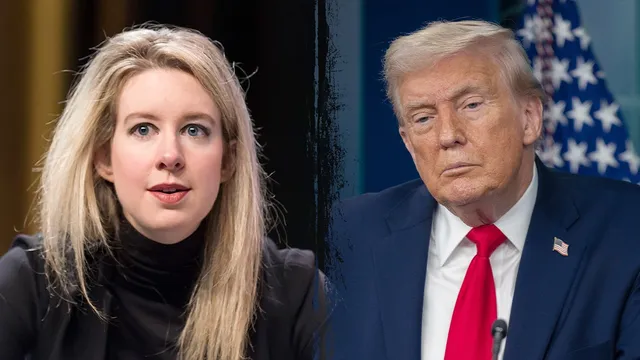
Trump grants pardons to wealthy individuals accused of financial crimes

Jan 20, 2026, 11:00 AM30
(Update: Jan 22, 2026, 11:55 AM)
president of the United States from 2017 to 2021
news division of NBC

Trump grants pardons to wealthy individuals accused of financial crimes

  • President Donald Trump pardoned 87 people and one corporation during the first year of his second term, significantly increasing the number of pardons compared to previous administrations.
  • These pardons resulted in more than $298 million in fines and restitution, raising concerns about the potential influence of wealth and political connections.
  • The pardons have sparked a debate about the integrity of the clemency process and the implications for judicial accountability.
Share your opinion
3

Story

In the United States, President Donald Trump has issued a notable number of pardons during the first year of his second term. Specifically, he granted clemency to 87 individuals and one corporation accused of financial crimes, which marks a significant increase compared to previous presidential administrations. These pardons resulted in over $298 million in fines and restitution, surpassing the total amount owed by individuals pardoned throughout Trump's first term and demonstrating a stark contrast to the figures associated with past Democratic administrations. This action has raised concerns regarding the influence of wealth and political connections on the clemency process. White House officials, including press secretary Karoline Leavitt, have indicated that Trump is focused on cases perceived as politically motivated or resulting from overreach by the previous administration's Justice Department. Such pardons predominantly benefited political allies and business interests, which critics argue compromises public safety and might reflect corruption. Consequently, the impact of Trump's pardons has ignited a contentious debate regarding the integrity of the pardon process and the potential implications for judicial accountability. Advocates supporting Trump argue that the individuals pardoned were victims of overprosecution, and the pardons are justified followings claims of a politically weaponized Justice Department. As this debate continues, the broader implications for policy and justice remain significantly contested.

Context

The history of presidential pardons in the United States dates back to the founding of the nation and is rooted in the powers granted to the President as outlined in Article II, Section 2 of the Constitution. This provision allows the President to grant reprieves and pardons for offenses against the United States, except in cases of impeachment. Throughout American history, pardons have been used to correct judicial errors, demonstrate mercy, and sometimes, to achieve political goals. The process and implications of presidential pardons have generated significant debate among scholars, politicians, and the public. Presidents such as George Washington and Thomas Jefferson set precedents early on in the use of pardons. Washington famously pardoned participants in the Whiskey Rebellion in 1795, aiming to unify the nation and restore order. Meanwhile, Jefferson granted pardons to those convicted under the Alien and Sedition Acts, underscoring a commitment to civil liberties. As each subsequent president took office, they approached the pardon power with varying philosophies and controversies. For instance, Andrew Johnson’s 1865 blanket pardons for Confederates following the Civil War raised ethical questions regarding reconciliation and accountability. In more recent history, the pardon power has been used in instances that checked the boundaries of executive privilege. Gerald Ford famously pardoned Richard Nixon for any crimes he may have committed during his presidency, which was a contentious decision that sparked significant backlash. Bill Clinton's pardons included high-profile figures and raised questions regarding motives, particularly the pardon of Marc Rich, a fugitive financier. Each of these decisions showcased the complex interactions between presidential authority, public opinion, and legal implications. The nature of pardons continues to spark debates in the modern era, especially during the administrations of more recent presidents, who have used pardons to a greater or lesser extent based on their political agendas and views on justice and rehabilitation. As of January 21, 2026, the discussion around presidential pardons remains relevant and ongoing, as society seeks to balance mercy with the rule of law, reflecting the evolving values of justice in the United States.

2026 All rights reserved