

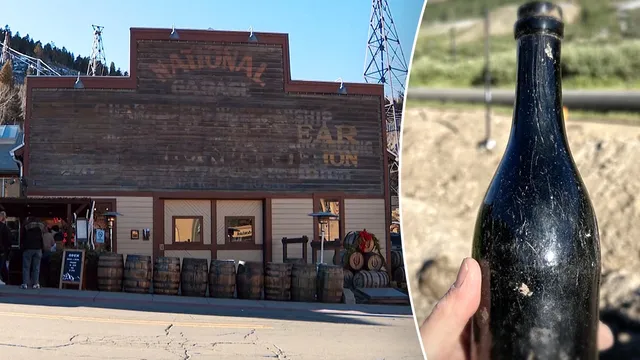
150-year-old mysterious bottle likely contains apple cider
150-year-old mysterious bottle likely contains apple cider
- A 150-year-old bottle discovered in Alta, Utah, initially suspected to contain beer, underwent analysis at High West Distillery.
- Experts described the liquid as having oxidized fruit notes and identified it likely as apple cider rather than beer based on taste and preliminary lab results.
- Further testing is planned to confirm the composition of the liquid and could lead to the recreation of this historical beverage.
Story
In Utah, researchers have endeavored to unravel the mystery of a 150-year-old alcohol bottle discovered at an archaeological site in Alta. The bottle was taken to the High West Distillery in Park City, which is noted as the first legal distillery in Utah since the 1800s. Experts at the distillery sampled the liquid inside, noting its extraordinary flavors and age. Initial assessments highlighted the presence of oxidized fruit notes, with the main tasting descriptors being fruity with hints of leather. Despite these findings, the analysis is not conclusive, prompting further tests to confirm the liquid's composition. Isaac Winter, the head of distilling at High West, remarked on the promising nature of their initial lab results, indicating that the liquid appeared to be apple cider rather than beer, which was the initial suspicion among researchers. Winter expressed excitement regarding the prospect of discovering the specific alcohol by volume, stating he believed it would likely be low. They also plan to conduct tests for sugar and acid to determine the presence of apple-specific compounds, such as malic acid. To enrich their findings, High West intends to send samples to third-party laboratories for additional analysis. This investigation demonstrates a modern-day effort to understand historical alcoholic beverages by leveraging contemporary scientific analysis. The head distiller expressed a particular interest in the microbial activity within the liquid, proposing that there may be a variety of bacteria and yeast present, which plays a crucial role in alcohol production. This discovery captures the intersection of archaeology and culinary history, shedding light on past practices. It aligns with a growing trend of examining ancient food and drink artifacts, as seen in similar archaeological findings around the world, such as ancient barley grains found in Turkey and preserved food remains in Pompeii. The knowledge obtained from these discoveries can enrich our understanding of historical diets and brewing practices, allowing for a clearer picture of how our ancestors lived. As High West Distillery contemplates recreating the liquid based on their examinations, this could pave the way for innovative beverage options rooted in historical context. Overall, the endeavor highlights the intriguing relationship between past and present, emphasizing the importance of historical artifacts in shaping contemporary culinary practices.


